


Mawson Lakes

2 The Strand, Mawson Lakes SA 5095

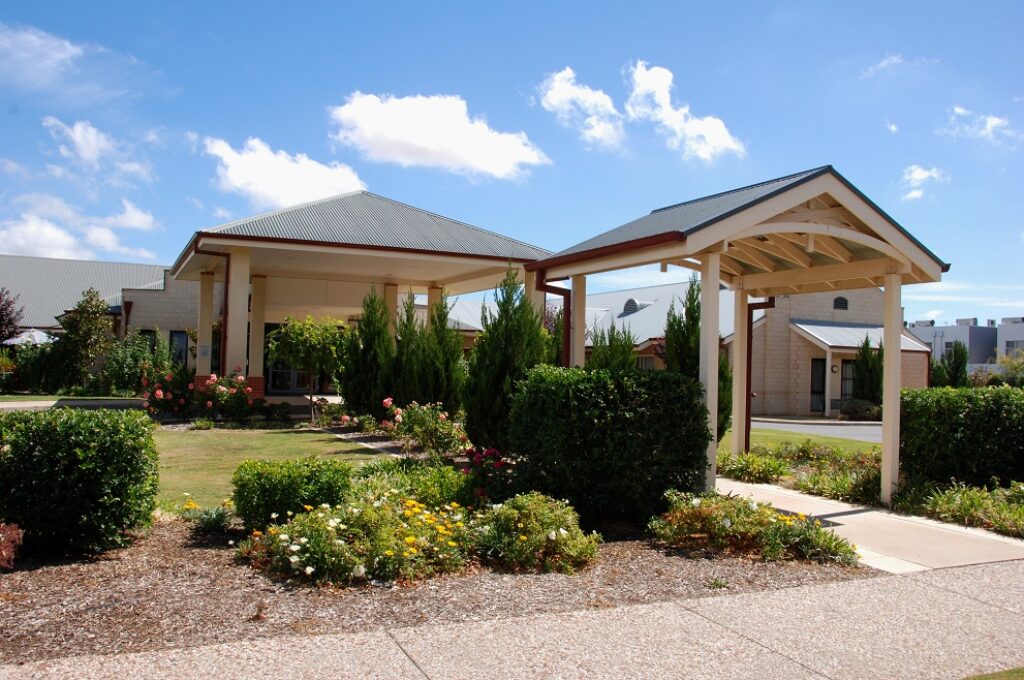
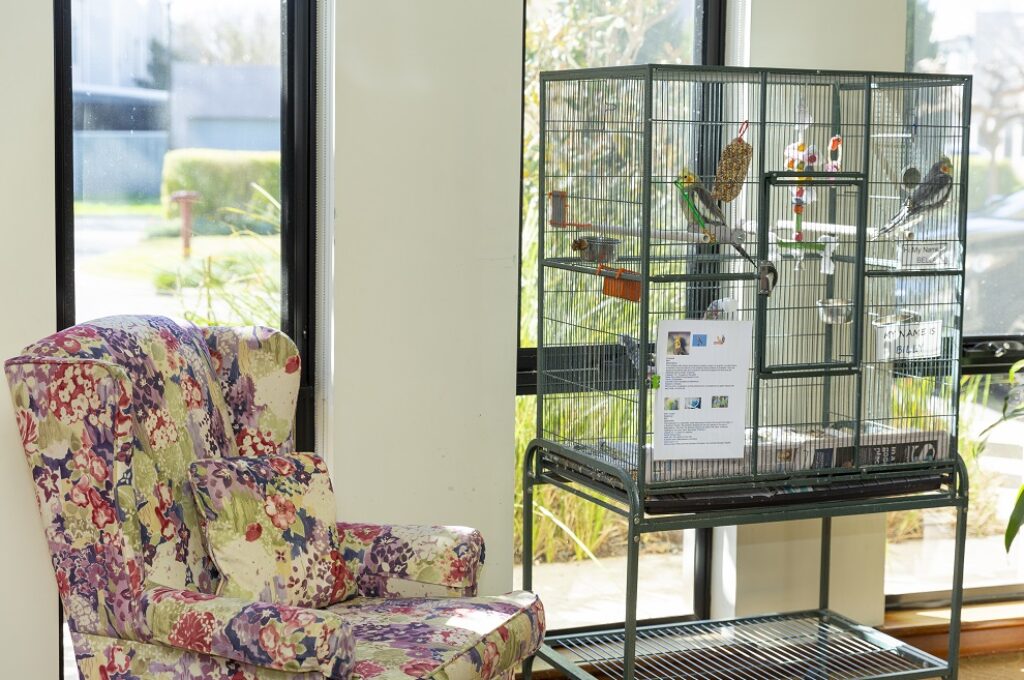
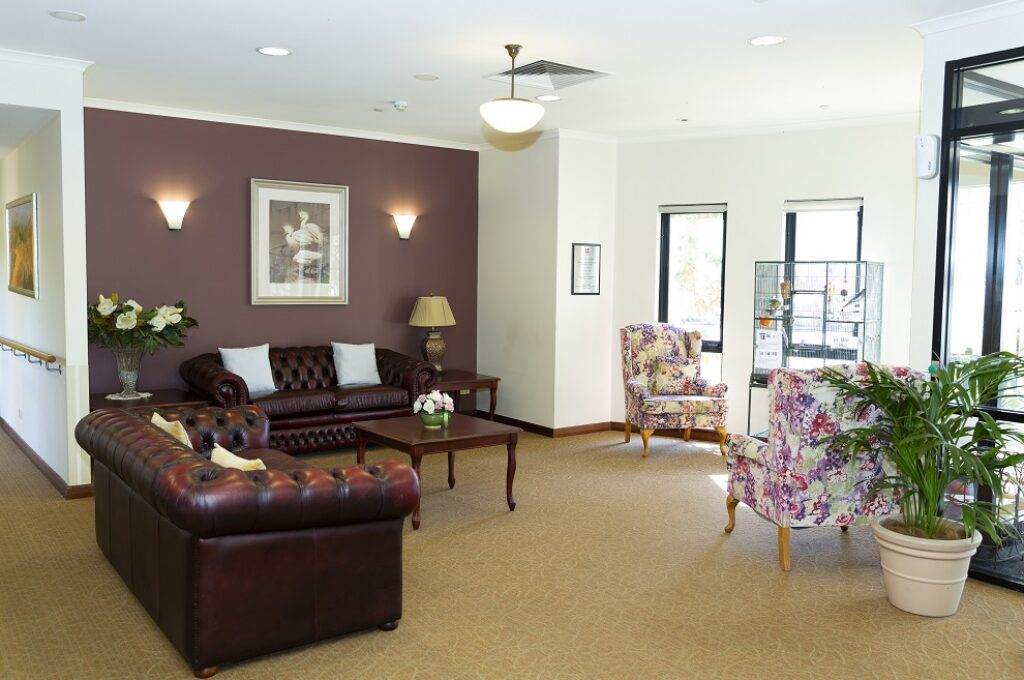
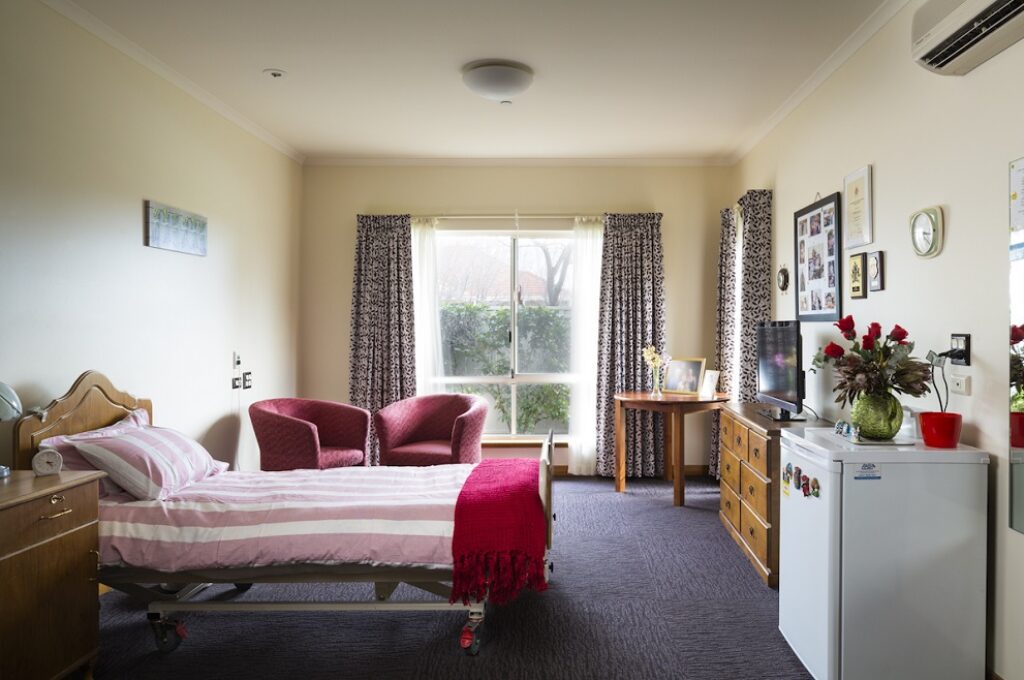
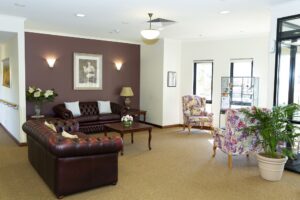
Homely and comfortable, our Mawson Lakes home is welcoming for residents and visitors.

If you’re interested in moving in to our home in Mawson Lakes please complete a Residential Care Expression of Interest Form.

At Mawson Lakes residential care home, we provide care for 98 residents all of whom have their own single rooms with private ensuite.

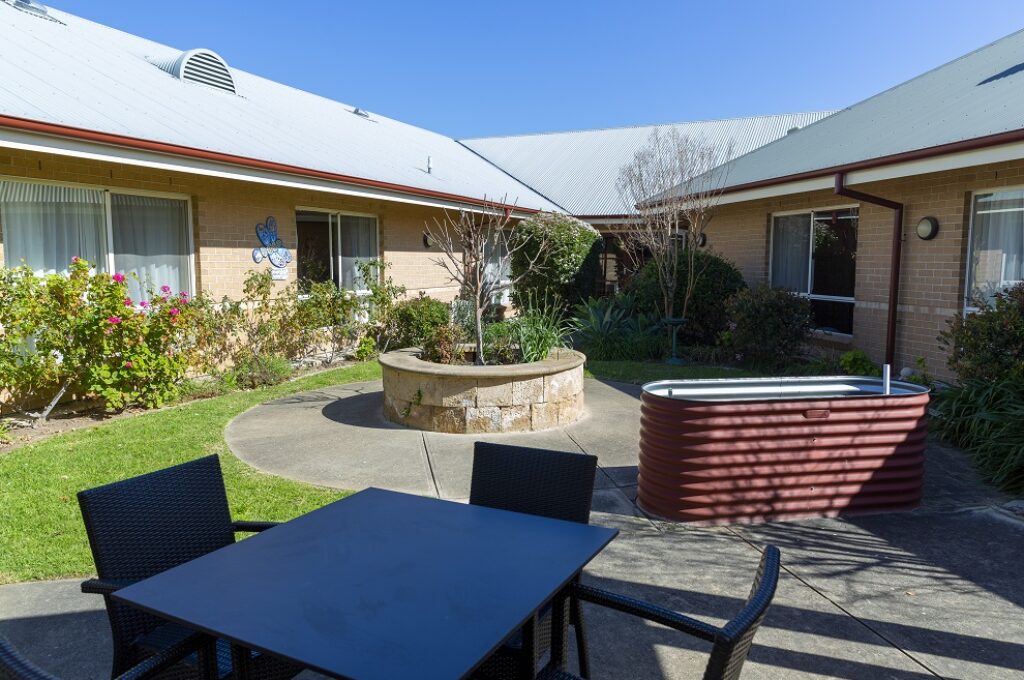
There are several courtyard gardens to enjoy the sun with a good book, with seasonal fruit trees and other beautiful plants.

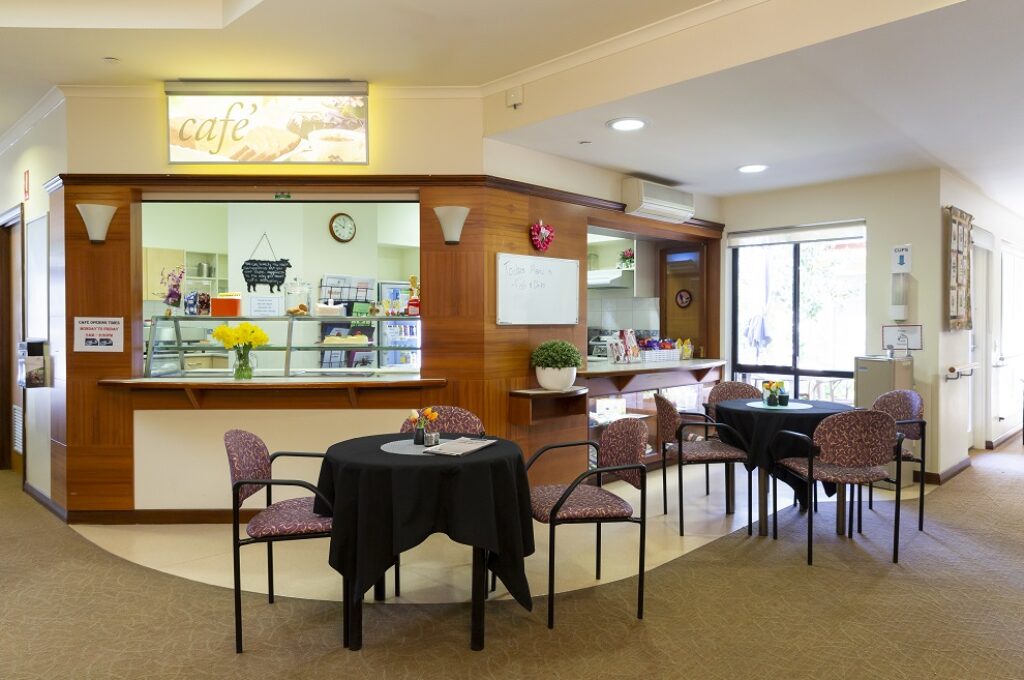
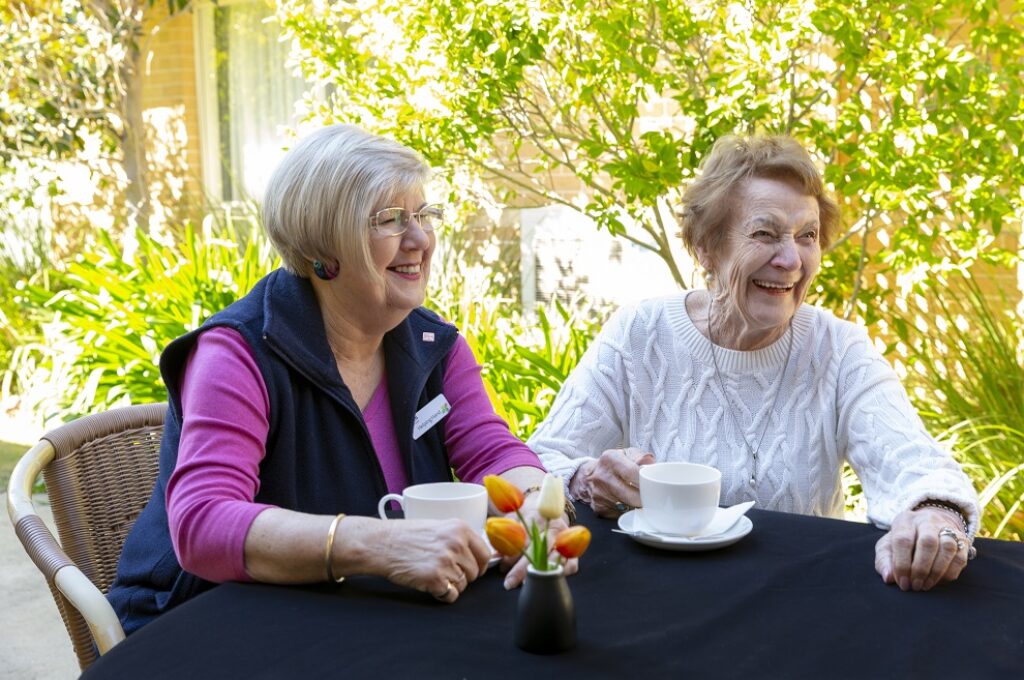
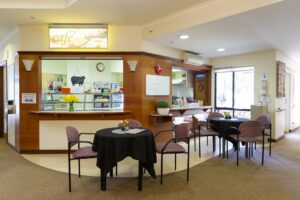
The home has its own library, hair salon and café; a great place to catch up over a coffee.

All meals are cooked fresh onsite daily and we offer choices to suit everyone’s tastes.

We provide care in the home, making it easy for residents to get to appointments. Physiotherapy and podiatry is offered onsite and we are connected to local doctors who come to the home.

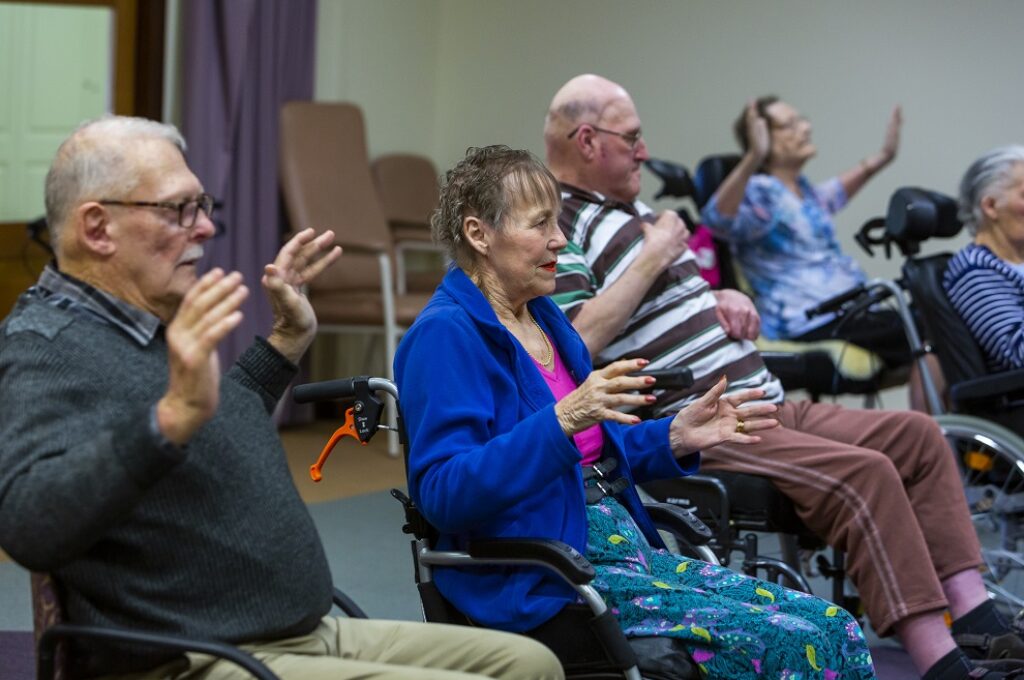
We have a strong relationship with local schools. Students visit Mawson Lakes residential care home regularly and assist with activities including art, craft and simply having a friendly chat.


Floorplans and pricing


Take a virtual tour
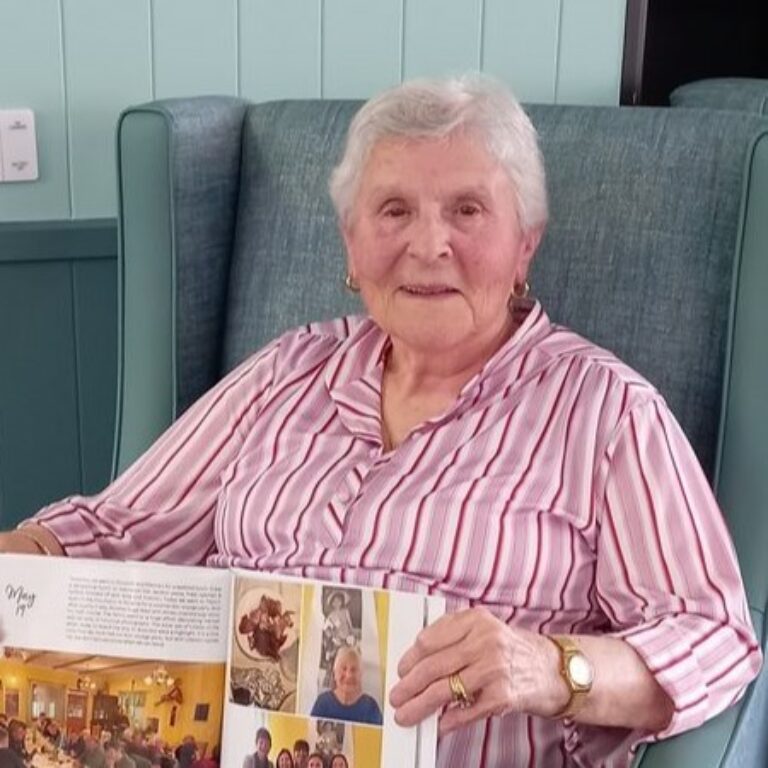
In my heart, I still feel Italian, but my loyalty is to Australia first, this is my home. Thank God I was able to find a place here in Whyalla. My daughter visits and calls me every day, and I enjoy the activities.

Liliana

Resident, Helping Hand Copperhouse Court Whyalla

Advice about Residential Care

Eligibility for government-subsidised residential aged care is assessed through My Aged Care. An aged care assessor will discuss your health, safety, daily support needs and current living situation before confirming whether you are approved for residential aged care. Many people still know this as an ACAT assessment. Your approval letter will explain which services you are eligible to access and may include referral codes.

Next step: Contact My Aged Care to arrange an assessment, then speak with Helping Hand about available homes and next steps.

Retirement living is for people who want independent living in a community setting, while residential aged care is for people who need ongoing care and support in an aged care home. Retirement living focuses on lifestyle, independence and community. Residential care includes personal care, nursing, meals, daily support and 24/7 staff availability.

Qualifications depend on the role. All employees need to be eligible to live and work in Australia and may need a current national police clearance. Some roles require specific qualifications, licences or registrations. Common examples include Certificate III in Individual Support for care roles, a full South Australian driver’s licence for community roles, a Diploma of Nursing for Enrolled Nurses, and a Bachelor of Nursing plus AHPRA registration for Registered Nurses.

Next step: Review the job advertisement for role-specific requirements and contact Helping Hand recruitment with questions.

Residential aged care costs vary depending on the home, room type, government funding and your personal financial situation. The Australian Government may contribute to care costs, and residents may also need to contribute depending on their means assessment. Costs may include care fees, accommodation costs and optional additional services. Helping Hand publishes fees on individual residential care home pages.

Next step: Review My Aged Care cost guidance, check fees on the relevant home page and speak with Helping Hand’s Admissions Team.

Aged care residents have rights under the Charter of Aged Care Rights. These include the right to safe and high-quality care, dignity and respect, privacy, independence, information, communication, complaints and making choices about care.

Next step: Read the Charter of Aged Care Rights and speak with Helping Hand if you have questions about resident rights, advocacy or support.

Home care supports you to stay living independently in your own home with services such as cleaning, personal care, transport, nursing, allied health and social support. Residential care is for people who need 24-hour support in a care home, including nursing, meals, personal care and lifestyle activities.

If you are unsure which option is right, contact Helping Hand or arrange an aged care assessment through My Aged Care.