If you need more information you can call one of our friendly team members now, or request a callback at a preferred time.
Or if you are ready to register your interest in this service, you can do this online now too.

Helping Hand offers home care services and in-home support to help older people stay independent, safe and connected at home across metropolitan Adelaide and regional South Australia. Support can include domestic assistance, personal care, transport, nursing, allied health and social connection.
See Help at HomeNeed some more advice?
If you’ve got more questions about Help at Home, we’ve got answers.
See adviceHelping Hand Retirement Living supports people who want to live independently in a lower-maintenance home while staying connected to a friendly community. Villages are located across South Australia and may suit people who are ready to downsize while keeping their independence.
See Retirement LivingNeed some more advice?
Is Retirement Living right for you? Get some extra advice from Helping Hand.
See adviceHelping Hand provides 24-hour residential aged care in 11 care homes across metropolitan Adelaide and regional South Australia. Residents are supported with personal care, nursing, meals, lifestyle activities and dementia support in a safe, welcoming environment.
See Residential CareNeed some more advice?
Is Residential Care right for you? Get some extra advice from Helping Hand.
See adviceExplore aged care careers, volunteering and student placements with Helping Hand, a South Australian not-for-profit supporting older people across home care, retirement living and residential care.
See CareersWhy work with us?
Do you want to join the Helping Hand team and make a difference?
See job vacanciesHelping Hand offers home care services and in-home support to help older people stay independent, safe and connected at home across metropolitan Adelaide and regional South Australia. Support can include domestic assistance, personal care, transport, nursing, allied health and social connection.
See Help at HomeNeed some more advice?
If you’ve got more questions about Help at Home, we’ve got answers.
See adviceHelping Hand Retirement Living supports people who want to live independently in a lower-maintenance home while staying connected to a friendly community. Villages are located across South Australia and may suit people who are ready to downsize while keeping their independence.
See Retirement LivingNeed some more advice?
Is Retirement Living right for you? Get some extra advice from Helping Hand.
See adviceHelping Hand provides 24-hour residential aged care in 11 care homes across metropolitan Adelaide and regional South Australia. Residents are supported with personal care, nursing, meals, lifestyle activities and dementia support in a safe, welcoming environment.
See Residential CareNeed some more advice?
Is Residential Care right for you? Get some extra advice from Helping Hand.
See adviceExplore aged care careers, volunteering and student placements with Helping Hand, a South Australian not-for-profit supporting older people across home care, retirement living and residential care.
See CareersWhy work with us?
Do you want to join the Helping Hand team and make a difference?
See job vacanciesHelping Hand offers home care services and in-home support to help older people stay independent, safe and connected at home across metropolitan Adelaide and regional South Australia. Support can include domestic assistance, personal care, transport, nursing, allied health and social connection.
See Help at HomeNeed some more advice?
If you’ve got more questions about Help at Home, we’ve got answers.
See adviceHelping Hand Retirement Living supports people who want to live independently in a lower-maintenance home while staying connected to a friendly community. Villages are located across South Australia and may suit people who are ready to downsize while keeping their independence.
See Retirement LivingNeed some more advice?
Is Retirement Living right for you? Get some extra advice from Helping Hand.
See adviceHelping Hand provides 24-hour residential aged care in 11 care homes across metropolitan Adelaide and regional South Australia. Residents are supported with personal care, nursing, meals, lifestyle activities and dementia support in a safe, welcoming environment.
See Residential CareNeed some more advice?
Is Residential Care right for you? Get some extra advice from Helping Hand.
See adviceExplore aged care careers, volunteering and student placements with Helping Hand, a South Australian not-for-profit supporting older people across home care, retirement living and residential care.
See CareersWhy work with us?
Do you want to join the Helping Hand team and make a difference?
See job vacanciesAt Helping Hand, we offer different types of care, including respite, permanent care, dementia care, and palliative care.
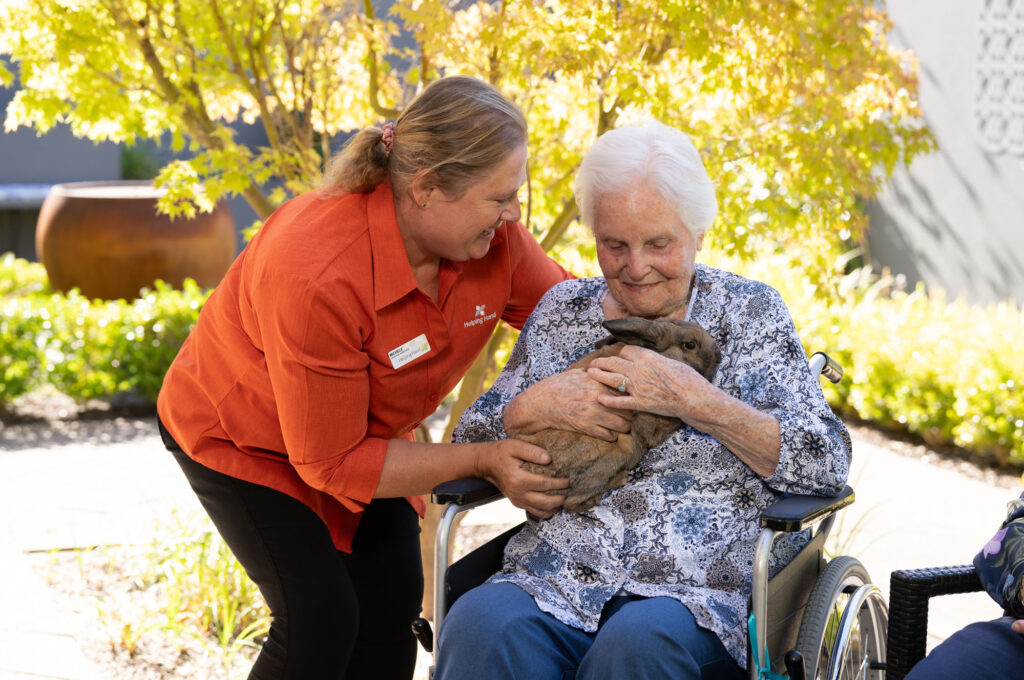
Carers are amazing. If you are a carer and need some time to rest and recharge then check out our range of respite options.
Find out more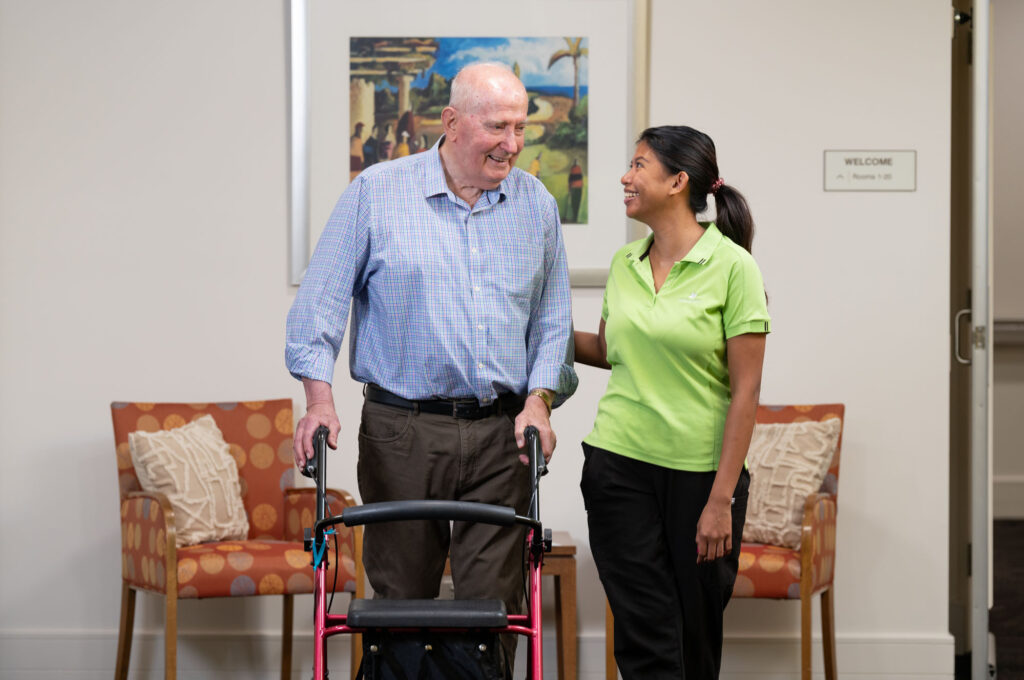
Our residents and their families feel at home in our care homes. We offer choice and personalised care tailored to your needs and interests.
Find out more
People living with dementia are well cared for in our care homes. Our staff are trained in dementia care and can offer advice support to residents and families.
Find out more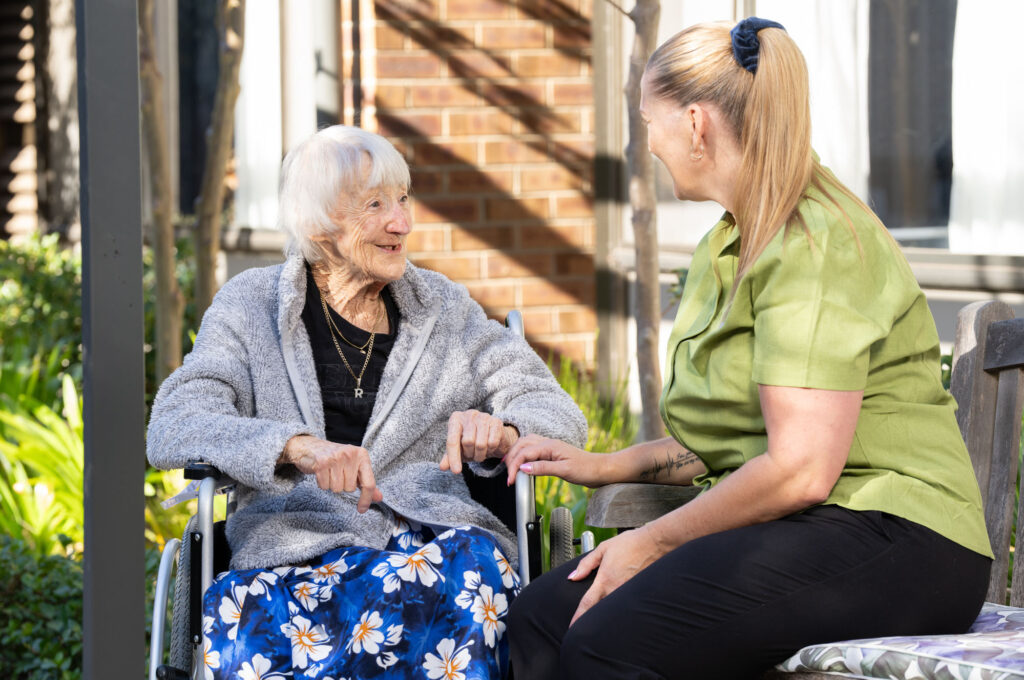
Palliative care is more than just end of life. Our trained staff offer care and support for residents with chronic illnesses or conditions, promoting a better quality of life by alleviating suffering and fostering wellness.
Find out moreIf you need more information you can call one of our friendly team members now, or request a callback at a preferred time.
Or if you are ready to register your interest in this service, you can do this online now too.

Aged care residents have rights under the Statement of Rights. These include the right to independence, autonomy, empowerment and freedom of choice; equitable access; quality and safe care and services; respect for privacy and information; person-centred communication and the ability to raise issues without reprisal; and the right to advocates, significant persons, and social connections.
Next step: Read the Statement of Rights and speak with Helping Hand if you have questions about resident rights, advocacy or support.
Aged care nursing at home provides clinical support for older people who need health-related care while remaining at home. Services may include wound care, medication support, continence care, health monitoring, recovery support and coordination with GPs or other health professionals.
Next step: Contact Helping Hand to ask whether nursing care at home is available through your funding or as a private service.
Residential aged care costs vary depending on the home, room type, government funding and your personal financial situation. The Australian Government may contribute to care costs, and residents may also need to contribute depending on their means assessment. Costs may include care fees, accommodation costs and optional additional services. Helping Hand publishes fees on individual residential care home pages.
Next step: Review My Aged Care cost guidance, check fees on the relevant home page and speak with Helping Hand’s Admissions Team.
Retirement living is for people who want independent living in a community setting, while residential aged care is for people who need ongoing care and support in an aged care home. Retirement living focuses on lifestyle, independence and community. Residential care includes personal care, nursing, meals, daily support and 24/7 staff availability.
Eligibility for government-subsidised residential aged care is assessed through My Aged Care. An aged care assessor will discuss your health, safety, daily support needs and current living situation before confirming whether you are approved for residential aged care. Many people still know this as an ACAT assessment. Your approval letter will explain which services you are eligible to access and may include referral codes.
Next step: Contact My Aged Care to arrange an assessment, then speak with Helping Hand about available homes and next steps.
Transition Care, also known as TCP, offers up to 12 weeks of short-term support to help older people recover safely after a hospital stay. Support may include physiotherapy, personal care, nursing and help returning home. Hospital staff can help arrange an assessment while you are still an inpatient, or you can contact My Aged Care yourself.
Next step: Speak with hospital discharge staff as early as possible, call My Aged Care on 1800 200 422, or contact Helping Hand to discuss available home support options.


