Helping Hand offers home care services and in-home support to help older people stay independent, safe and connected at home across metropolitan Adelaide and regional South Australia. Support can include domestic assistance, personal care, transport, nursing, allied health and social connection.
See Help at HomeNeed some more advice?
If you’ve got more questions about Help at Home, we’ve got answers.
See adviceHelping Hand Retirement Living supports people who want to live independently in a lower-maintenance home while staying connected to a friendly community. Villages are located across South Australia and may suit people who are ready to downsize while keeping their independence.
See Retirement LivingNeed some more advice?
Is Retirement Living right for you? Get some extra advice from Helping Hand.
See adviceHelping Hand provides 24-hour residential aged care in 11 care homes across metropolitan Adelaide and regional South Australia. Residents are supported with personal care, nursing, meals, lifestyle activities and dementia support in a safe, welcoming environment.
See Residential CareNeed some more advice?
Is Residential Care right for you? Get some extra advice from Helping Hand.
See adviceExplore aged care careers, volunteering and student placements with Helping Hand, a South Australian not-for-profit supporting older people across home care, retirement living and residential care.
See CareersWhy work with us?
Do you want to join the Helping Hand team and make a difference?
See job vacanciesHelping Hand offers home care services and in-home support to help older people stay independent, safe and connected at home across metropolitan Adelaide and regional South Australia. Support can include domestic assistance, personal care, transport, nursing, allied health and social connection.
See Help at HomeNeed some more advice?
If you’ve got more questions about Help at Home, we’ve got answers.
See adviceHelping Hand Retirement Living supports people who want to live independently in a lower-maintenance home while staying connected to a friendly community. Villages are located across South Australia and may suit people who are ready to downsize while keeping their independence.
See Retirement LivingNeed some more advice?
Is Retirement Living right for you? Get some extra advice from Helping Hand.
See adviceHelping Hand provides 24-hour residential aged care in 11 care homes across metropolitan Adelaide and regional South Australia. Residents are supported with personal care, nursing, meals, lifestyle activities and dementia support in a safe, welcoming environment.
See Residential CareNeed some more advice?
Is Residential Care right for you? Get some extra advice from Helping Hand.
See adviceExplore aged care careers, volunteering and student placements with Helping Hand, a South Australian not-for-profit supporting older people across home care, retirement living and residential care.
See CareersWhy work with us?
Do you want to join the Helping Hand team and make a difference?
See job vacanciesHelping Hand offers home care services and in-home support to help older people stay independent, safe and connected at home across metropolitan Adelaide and regional South Australia. Support can include domestic assistance, personal care, transport, nursing, allied health and social connection.
See Help at HomeNeed some more advice?
If you’ve got more questions about Help at Home, we’ve got answers.
See adviceHelping Hand Retirement Living supports people who want to live independently in a lower-maintenance home while staying connected to a friendly community. Villages are located across South Australia and may suit people who are ready to downsize while keeping their independence.
See Retirement LivingNeed some more advice?
Is Retirement Living right for you? Get some extra advice from Helping Hand.
See adviceHelping Hand provides 24-hour residential aged care in 11 care homes across metropolitan Adelaide and regional South Australia. Residents are supported with personal care, nursing, meals, lifestyle activities and dementia support in a safe, welcoming environment.
See Residential CareNeed some more advice?
Is Residential Care right for you? Get some extra advice from Helping Hand.
See adviceExplore aged care careers, volunteering and student placements with Helping Hand, a South Australian not-for-profit supporting older people across home care, retirement living and residential care.
See CareersWhy work with us?
Do you want to join the Helping Hand team and make a difference?
See job vacanciesYes. Helping Hand can arrange residential care home tours by appointment. Visiting a home can help you understand the environment, rooms, shared spaces, lifestyle activities and whether the home feels right for you or your family member. Entry requirements may change depending on current health or government advice. Virtual tours are also available for some homes on the residential care locations page.
Next step: Call 1300 653 600 or book a tour online.
Residential care includes daily support, 24-hour staff assistance, meals, personal care, medication support, laundry, housekeeping, building maintenance, lifestyle activities and help in emergencies. Residents also receive basic furnishings and are encouraged to bring personal items that help make their room feel like home. Additional services and facilities may vary by location.
Next step: View individual care home pages or contact Helping Hand to discuss what is included at your preferred home.
Residential aged care costs vary depending on the home, room type, government funding and your personal financial situation. The Australian Government may contribute to care costs, and residents may also need to contribute depending on their means assessment. Costs may include care fees, accommodation costs and optional additional services. Helping Hand publishes fees on individual residential care home pages.
Next step: Review My Aged Care cost guidance, check fees on the relevant home page and speak with Helping Hand’s Admissions Team.
Eligibility for government-subsidised residential aged care is assessed through My Aged Care. An aged care assessor will discuss your health, safety, daily support needs and current living situation before confirming whether you are approved for residential aged care. Many people still know this as an ACAT assessment. Your approval letter will explain which services you are eligible to access and may include referral codes.
Next step: Contact My Aged Care to arrange an assessment, then speak with Helping Hand about available homes and next steps.
Aged care residents have rights under the Statement of Rights. These include the right to independence, autonomy, empowerment and freedom of choice; equitable access; quality and safe care and services; respect for privacy and information; person-centred communication and the ability to raise issues without reprisal; and the right to advocates, significant persons, and social connections.
Next step: Read the Statement of Rights and speak with Helping Hand if you have questions about resident rights, advocacy or support.
Home care supports you to stay living independently in your own home with services such as cleaning, personal care, transport, nursing, allied health and social support. Residential care is for people who need 24-hour support in a care home, including nursing, meals, personal care and lifestyle activities.
If you are unsure which option is right, contact Helping Hand or arrange an aged care assessment through My Aged Care.
Residential respite is short-term care in an aged care home. It gives carers time to rest, attend appointments or take a break, while the person they care for receives support, meals, activities and care in a safe environment. Residential respite can also help someone experience residential care before making a longer-term decision. Helping Hand also offers community respite for eligible home care clients.
You can learn more about residential respite by listening to the podcast episode below.
Next step: Contact Helping Hand on 1300 653 600 to ask about respite eligibility, availability and tours.
Age Old Problems: New Aged Care Podcast
00:00:42 Lisa
Thank you
00:00:43 Kate
I was just thinking, in case people have not even heard of respite before, the word’s definition gives a little bit of clue really: it’s a short period of rest or relief from something difficult. Do you think that sums it up?
00:00:55 Lisa
Yes, that would be exactly right. We classify respite as more for the carer than the actual customer that comes in, so that’s a pretty good summation of it.
00:01:00 Kate
I thought too – and I know it has the potential to sound a bit like an ad – but we’ve got a testimonial which is sort of the perfect way to highlight the benefits of respite. So, I thought I’d read that out to you both. So, it comes from Ali, who is a carer who has accessed respite care for her mother.
00:01:20 Kate
‘I have been my mum’s main carer over the last five years. Throughout these years, I’ve had some challenging medical conditions requiring a few surgeries and recoveries. Helping Hand has been an absolute lifesaver, not only for myself, but also for my mum. Knowing mum would be well cared for, in a safe, happy environment, meant the world to me. If considering options for alternative care arrangements for a loved one’s care – whether it’s to give yourself a well-deserved break or holiday, or requiring care for your own wellbeing – I would absolutely recommend Helping Hand respite. Mum has spent time in four of Helping Hand’s respite facilities over the last five years, with all of the locations being excellent experiences for mum and myself. The staff are caring, compassionate, and helped mum settle in quickly. Mum always felt safe and well looked after. When there was a need of medical assistance she was given appropriate treatment.’
00:02:06 Kate
It must make you feel pretty proud of your services hearing that.
00:02:10 Kerry
Yes definitely. It is also wonderful way for families to try out aged care when that transition from respite to permanent for example – if you’re going in on respite, you get a chance to meet the staff, find out if you like the facility, so it’s a wonderful opportunity. And as Lisa said, it’s good for carers and the families to have that break as well.
00:02:33 Kate
So, Lisa, you deal with pre-admissions, so perhaps we can start with you as we delve into some of the nuts and bolts of getting respite. You assist with the applications and the questions ahead of someone checking in, is that right?
00:02:44 Lisa
Yes, that’s correct. So, the first initial inquiry, whether it be an online submission – so you can actually go onto our website and make an inquiry about respite, and I’ll then pick it up from there (or my work colleague) and we’ll make contact with the person who made the inquiry, and explain the whole process from there.
00:03:04 Kate
And can you describe what exactly is residential respite care?
00:03:10 Lisa
So residential respite care is having respite within a nursing home or a care facility. There is some processes that have to be done first, and you need to have My Aged Care approval for residential respite in order to come in and receive that service.
00:03:23 Kate
And how long could a respite placement be?
00:03:25 Lisa
At Helping Hand, we take a minimum booking of two weeks, we don’t have anyone coming any shorter than that stay, but can be longer. A person is actually eligible under their My Aged Care plan for up to 63 days of respite in a financial year.
00:03:40 Kate
And do all Helping Hand residential care homes have respite rooms?
00:03:42 Lisa
Yes, we do, except for two of our country facilities, but we are able to receive respite in all of them. But we have dedicated rooms in all of our metropolitan and also at Whyalla and Port Pirie, and those rooms are booked in advance. We kind of describe it a bit like a motel system, where you make a booking. We’re running it off a calendar, so we can look up when the next vacancy is and book the person in from that time on.
00:04:00 Kate
Now you mentioned My Aged Care, so who can be eligible for residential respite, and is the process that they start with My Aged Care and take it from there?
00:04:11 Lisa
Yes, it is. So, anybody who’s over the age of 65 – I think there is some criteria that you can be under that age but it’s a medical -based thing – and once you’ve been approved by My Aged Care, and it’s a process of getting the Home Care Package and residential respite, also permanent care approval. Anybody I think, just makes an application through their website, or discussing it with their doctor.
00:04:39 Kate
Sometimes there could be confusion around why people might access respite, can you explain some of the different reasons that people might apply for a respite break?
00:04:35 Lisa
Yes certainly. We get referrals from all different areas: hospital-based referrals where somebody’s in hospital, there care has come to the point where they ready for discharge but maybe not well enough to return home, respite is suitable for that sort of thing; families going on holidays, where they’re wanting to make sure their mum, dad or loved one is safe – they may have been living independently in their own home with some support, but the family’s a little bit worried that, you know, if something happens in the night, you know, what will happen to mum or dad, so respite is good for that sort of thing; and also as Kerry has explained some families like to trial the respite – it’s a good ‘try before you buy’, where you can find out what happens in a care facility, but not staying there permanently – you can return home.
00:05:34 Kate
So, when people are coming in, accessing respite for the first time, are there some common questions that they like to ask you to get their heads around how it might work?
00:05:40 Lisa
Yes, the first things are ‘is mum going to be in a room by themselves?’ or ‘can they join in all the activities?’, ‘will they be getting medical care, is there a nurse available?’. Cost comes into it, because there is a cost involved in respite care – it is government partially supported, but there is a cost involved. And yeah, ‘what can they bring, can they bring, you know, things from home?’. All of those sort of things.
00:06:00 Kate
And no question’s a silly question is it, you’re happy to answer all those questions for people.
00:06:05 Lisa
Absolutely yes, you know, and we try to put people at ease by saying that. And look, feel free to ring back, because it’s a very daunting process and a lot of people feel very guilty about putting somebody in respite, especially if it’s a partner that they’ve always said “I’m never going to put you in a home” and then suddenly the circumstances change, or they’re having care burnout, and doctor’s recommended you have a break, those sort of things. So yeah, we try and put people at ease with all those.
00:06:33 Kate
I guess given people feel quite guilty at times, part of your role is to help put them at ease about that decision, and comfort them that this is an important thing for them to do both for themselves and for their partners or their family.
00:06:45 Lisa
Yes, that is the key factor I think, is encouraging the person who’s making the inquiry, whether it be the husband, the wife, the family member, to not feel guilty about it, and remember that their health and wellbeing is the most important. Because without them being well, and be that physically or mentally, they can’t continue that carer role.
00:07:00 Kate
So, this is an opportune time also for you to maybe share some feedback that you get, because, you know, at one end people are feeling guilty about putting people in, but you’ve told me already that you also get some wonderful feedback about people’s experiences once they have been using respite.
00:07:15 Lisa
Yes, we do, which is the great part about it. We often get what we call the frequent flyers, who keep coming back, booking it again and again, because, you know, mum or dad’s had such a wonderful experience. But I can remember one vivid conversation I had with somebody, and she could not believe the change in her mother. Her mother had been at home, very withdrawn, not wanting to participate in anything, not eating much, all that. She was terribly worried, but she wanted to go to Melbourne to look after her grandchild. And she put her mum in, and she rang when she got back and said ‘I cannot believe the change of my mum! She eats food I’ve never been able to get her to eat, she’s smiling all the time.’ So they are the things that I think help encourage families to know, that it’s not that scary or bad experience that they perceive it may be.
00:08:06 Kate
Kerry is Resident Liaison Coordinator. You come to the floor from the point of admissions, so helping to welcome and settle in all the guests for the duration of their stay, is that right?
00:08:14 Kerry
That’s right, yep.
00:08:15 Kate
So, tell me a little bit about your role.
00:08:16 Kerry
So, I will be the first person that they meet in reception, and depending on if they’ve come from hospital, or home – sometimes if the resident’s been in hospital, they don’t do the initial tour – so I’ll ask them if they’re feeling up to it. I’ll take them for a little brief tour, and show them the facility on the way through: show them where the café is, the salon, and then take them up to the room to settle in. I get them a tea or coffee, get them all settled, and then I sort of go through with the family, and we work out things like laundry, and we go through just a little bit of that information. And then I have a bit of a chat, a little brief sort of information about what they like, if they want to come to activities, if they would like to be invited to church, and I’ll just take a little brief summary to put in our assessments. And then hand over to the clinical team, and then they’ll come up and do all the medical side of things.
00:09:06 Kate
Providing information but also establishing a bit of a connection.
00:09:07 Kerry
A connection, absolutely. And it’s good I’ve got the both roles, I do Lifestyle Assistant as well. So, I get to see them through the activities as well, and encourage them to come along.
00:09:19 Kate
Do respite residents have access to all of the facilities and activities that are in the home?
00:09:22 Kerry
Absolutely. So on day two, they’ll get a welcome pack from our Lifestyle Team, and that includes the monthly program showing them all the activities that we have on, and so yes, they are invited, encouraged, to come to all of our activities. And they can access the café, the salon, everything that the permanent residents receive.
00:09:38 Kate
Now I know Lisa obviously deals with some of the concerns and questions before people come in, but do you find that there are still some common concerns that come up when you’re dealing with them on that day of arrival?
00:09:55 Kerry
Some of them when they’re in the room they might be worried – they’ll look at the bed and say ‘I’m worried about, you know, my mom or dad falling out’, so I’ll just say, you know, that’s something you can speak to the nurse to – any concerns that you’ve got, speak with the clinical nurse. They ask about food, what sort of food they’re going to get, but as Lisa said there’s no sort of question that’s not, you know we can answer and point them in the right direction if they’ve got any queries or concerns.
00:10:07 Kate
So, the family sometimes have questions and concerns, but what about the resident – are they usually OK or do they have some?
00:10:23 Kerry
The residents are usually OK – I mean, sometimes there might be some that don’t want to be there ’cause they wanna be home – but I sort of try and draw on my personal experience with my mum. When she went into care and we did the respite, and say ‘just go in have a bit of a holiday, and see what you like, see what you think of the place’. And so I sort of bring that up sometimes. And so, you know, she liked she didn’t have to cook, she didn’t have to do any washing, and I sort of try and put that sort of, you know, treat it like a bit of a holiday. As Lisa said we do have one particular frequent flyer who’s here at the moment, and he’s been here since 2021 several times, and he just loves being here. His family go on holidays, and he comes in and has, yeah, his time with us. And he loves having the support, and people to look after him.
00:11:08 Kate
And you get positive feedback from the families as well.
00:11:10 Kerry
Absolutely and they’re very happy with their stay. We had a gentleman leaving today, they said ‘wish we could live here’.
00:11:22 Kate
Before we finish, Lisa, if there was somebody out there that was going to listen to this episode, what do you think would be the key piece of information about respite that you’d like them to hear, what would you like them to take away?
00:11:28 Lisa
Not to be scared about it – to make that initial inquiry. You’re not bound to anything; you just give us a call. We’re happy to help you with information, we can post things out to you. You can also have general tours of the facility which we sort of advocate for a lot of people who are a little apprehensive. Bring mum, put her in the car, say we’re going out, we’re going to have a coffee in the café, we’re going to have a general tour – show them the facility. And that really helps a lot of the time to ease their fears, that it’s not, you know, six beds lined up. They’ve got lovely rooms, TV, ensuites, able to go and have coffee in the café, have their hair done, all sorts of things that I don’t think they quite realise until they get there.
00:12:09 Kate
That’s a great suggestion. What about you Kerry?
00:12:11 Kerry
The same. I think seeing the room gives them that visual, that they know that there’s lots of room and lots of activities to do, and the fact that they’re being looked after while you’re away, it just takes that ease of mind I suppose you would say, ease of mind that your family member is being well looked after while you’re away and you don’t worry as much. Especially the 24 hour care because it’s overnight as well so that takes the pressure off.
00:12:38 Kate
Absolutely. Well, sounds like you’re both doing a wonderful job, thank you so much for describing it for us.
00:12:44 Lisa
You’re welcome, thank you.
00:12:44 Kerry
Thank you for having us.
00:12:49 Kate
For more information on Helping Hand and their services please head to www.helpinghand.org.au or call Helping Hand directly on 1300 653 600. Please remember – you understand your needs better than anyone. Take the time to contact one of our friendly team to find out how we can help.

Volunteering in aged care can be a meaningful way to support older people through social connection, lifestyle activities, companionship and community involvement. Helping Hand has volunteers across residential care homes, with many supporting activities that bring enjoyment, movement and conversation to residents.
You can learn more about volunteering with Helping Hand by listening to the podcast episode below.
Next step: Explore volunteering opportunities with Helping Hand here.
Age Old Problems: New Aged Care Podcast
00:00:00 Kate
Welcome to Age Old Problems: New Aged Care, a podcast by Helping Hand that offers information and advice to help you find and access the right aged care services. This podcast was recorded on Kaurna land.
00:00:23 Kate
Hello and thanks for listening in to our podcast. I’m your host, Kate Holland, and in this episode we’re going to focus on volunteering. Not only are they incredibly valuable to the organisations they support, but being a volunteer can bring valuable life experiences too. So joining me for this chat is Rachel Carson, Lifestyle Coordinator for Helping Hand in Golden Grove, and Kaye, who volunteers here herself. Welcome, ladies.
00:00:40 Kaye
Hello.
00:00:41 Rachel
Hello. Thank you for having us.
00:00:41 Kate
So, Rachel, let’s start with you. Can you explain a little bit about your role and your involvement with the volunteers here for helping hand?
00:00:56 Rachel
So I’m a Lifestyle Coordinator, so my main role here is implementing and coordinating activities for the residents here at Golden Grove. But also a huge part of my role is the management and training and recruitment of volunteers. So I’m their number one contact. So they are basically, they travel the journey of volunteering with me and my team.
00:01:11 Kate
How important are volunteers in the day-to-day running of the care home?
00:01:14 Rachel
The importance honestly can’t be measured. It sounds a bit cliche, but it really can’t. Because our Lifestyle teams here are somewhat small, volunteers are pivotal for our day to day. They allow us to be able to offer more activities to residents and also do the really important one-on-one social visits for residents who don’t want to come out to activities – they still get that opportunity to be social and have visits from people as well, so they are a pivotal role every day.
00:01:40 Kate
And what kind of things are they doing? What sort of activities?
00:01:41 Rachel
So we have volunteers that help like Kaye, with activities. And they also do one-on-one visits, we have volunteers that help in our cafe, they help with admin work as well. So they can actually help with other areas, not just lifestyles, but the main volunteers we have here are our lifestyle volunteers. So they help run activities from craft, to exercise class, to church, to birthday special celebrations.
00:02:06 Kate
Are there services that Helping Hand provide that you just simply couldn’t do if you didn’t have the support of volunteers?
00:02:11 Rachel
Literally all of them. Volunteers are absolutely pivotal because they are an extension of us. So yeah, I couldn’t speak highly of them and we couldn’t do what we could do without them.
00:02:19 Kate
Is there a particular activity or person or exchange that you’ve seen with the volunteer in action that springs to mind as a very special example?
00:02:27 Rachel
This sounds very cliche, but she’s sitting next to me. OK, so Kaye has been volunteering for four years and Kaye is part of the furniture, part of the family. There are people that volunteer and they volunteer because they feel they need to, and there are some people that volunteer because they were made to do it, if that doesn’t sound weird. She is the most friendly, outgoing person. The residents, every Monday and Tuesday here, they look out and look forward to seeing her. If she’s not there one day they notice, which is a big thing, and she’s just perfect for the role. She just brings this warmth, this passion. It’s not forced. It’s so natural. And she really is part of the team here. We couldn’t imagine not having her here. And every day she’s here is like, a very a special time for her. She does wonderful things.
00:03:14 Kate
We can’t not come and talk to you now Kaye, that’s so wonderful. Can you tell us about how you came to Helping Hand and sort of what you’re involved with now?
00:03:20 Kaye
I was actually caring for my mum and dad who were in their 90s, and they both passed away within about six months of each other and I feel a bit lost. And I was told that I either had to get a job or do volunteering to keep getting my pension, my carers pension. And I hadn’t worked for such a long time that I thought I don’t think I could do that. So they told me to go into the op shop or something like the hospital. You can volunteer in the hospital. And because I cared for my mum and dad, I just loved being around them. So that came to mind. My family said to me, are you crazy? And I said no. I think I could do it. So I got in touch with Golden Grove and came in, and that was four years ago and I just love it. The people here just make me feel so welcome. The team are fantastic to me. They treat me like part of their team. And the residents – I get hugs and they’re all saying to me all the time ‘Ohh, you do so much for us.’ They do so much for me. I just love it. I look forward to Mondays and Tuesdays.
00:04:36 Kate
So yeah, every Monday and Tuesday.
00:04:39 Kaye
Yes all day. I find that easier because once I get into something, it’s better to just stay here and finish it, than say a few hours here or a few hours there. I just prefer to be here all day, and it’s like my getaway from my home life and my family and enjoying my time for a couple of days.
00:04:58 Kate
And do you do a variety of activities?
00:05:00 Kaye
Yes, whatever needs to be done, some days are different, but my main thing is we go walking on a Monday morning, we take the residents out, and that is great. They love getting out into the sunshine and we chitchat, which we do a lot of. Then on Monday afternoons, we do carpet bowls. And during that time, I help bring the residents down. That’s a big thing. We go up and remind them of what the activity is, and assist them to come down to the hall. Then I do books. I take around some library books to make sure everyone’s got something to do if they don’t come down to an activity. Tuesdays, we do Jeopardy in the morning and we do bingo in the afternoon. And bingo is a very popular activity with lots of laughs, and we have a great time in bingo.
00:06:01 Kate
Now obviously there was specific reasons for why you came and were a volunteer, and I know Rachel, it’s getting harder and harder to get people to volunteer.
00:06:15 Rachel
Yes, for various reasons.
00:06:16 Kate
I remember hearing the radio story about the fact that, you know, sometimes a lot of people just can’t retire as early as they want. So it’s trickier for them to then give their time. But when people do have this space, it’s a really purposeful thing for people to do, isn’t it?
00:06:24 Rachel
It is. I mean, there’s no minimum or maximum amount of hours for volunteering, especially here. Any little bit of time anyone can give is really appreciated. And especially with our residents, they know everyone’s very time poor, so it’s probably – out of a lot of industries – you volunteer in aged care, probably they are the most appreciative of just a little bit of time. So anything someone can give is what we love, and we will openly take. And as I said some people aren’t group type people either. So we have some volunteers here that they prefer the one-on-one volunteering. They’re not big for group activities like residents, and we understand that. So they’re more than happy just to do visiting for a few hours a day, visiting multiple residents. Not so much joining in the activities. Or we’ve got some, as I said, that are very admin focused, so they prefer to be in the back of the office, not really people people, which is totally fine, but there’s always a role for them as well. So we’re very lucky. We’re sort of open to a lot of areas.
00:07:14 Kate
Within our industry, do you find that people can bring skills from their working life and then apply them here? Do you have any examples of that?
00:07:21 Rachel
Yes certainly. So we’ve got a lot of people that have worked in aged care or nursing before, so they’ve done it before. They might have retired or close to retirement, so they use those transferable skills over. So they’ve already got that basic empathy and understanding of the elderly. So that’s a big thing. But anyone you know, customer service role. Same thing dealing with people. Anything really.
00:07:39 Kate
What about things like, if you’re a carpenter or a musician?
00:07:43 Rachel
I think, well, we have a men’s shed. So they actually have a lot of volunteers as well, they love to build things, so we have people that come from a building, cabinetry background that come and help our gentleman with the men’s shed. We have artists who do painting with our residents as well. We’ve got beauticians that come and do our nails every Thursday and hand pampering, so many areas that you can use and transfer over to aged care because what we do is so diverse. Anyone from any background, because we basically do every activity you could imagine. Literally everyone has a skill to bring here. There’s not one that you’d go ‘oh no’, we use everything. Truck drivers, they love to share their one-on-one time on the road with other truck drivers here, because residents here as well come from such diverse backgrounds in their lives, anything could be made transferable here.
00:08:29 Kate
And that’s the great thing about aged care as well, and I just want to make the point, if you don’t have specific qualifications or a skill, you’re still welcome, aren’t you, you can adapt?
00:08:36 Rachel
The only thing really that volunteers need is what we call an NDIS clearance, because we’re working with vulnerable people, so that clearance is for, you know, children and the elderly. But other than that? That’s all they need. So if you have no qualifications whatsoever, you’re just as valuable as someone that has university qualifications. You’re exactly the same. You’re an even keel here.
00:08:52 Kate
Do you get the sense that the people that choose to volunteer have similar values? Do they tend to align?
00:08:59 Rachel
They do. They’re either a bit like Kaye, they’ve either looked after their family members or they’ve worked in the industry, or they just have, I guess, that simple empathy and understanding of elderly people and just want to make their lives brighter. As we kind of say working here, you’re sort of getting back towards the end of someone’s life and it’s such a rewarding experience. So most of those people have either experienced it themselves, and they want to give back in some sort of way. So they definitely all match our values perfectly.
00:09:27 Kate
And Kaye, it sounds like you enjoy every second that you’re here, which is wonderful for you and the residents, but is there a standout moment that you’ve had in your experience over the last four years?
00:09:35 Kaye
There has been lots. At the moment there’s a lady that never left her room, and I would go in and visit her and we would talk and she would tell me all her stories. Some of the people here have got amazing stories. So in the end, I convinced her to come to bingo with me – only for half the bingo. So I would leave at half time and go and get her, and she’d be sitting on her bed waiting for me, and I would bring her down. And now she laughs and she’s waiting for me to come and get her for bingo. And now I take her on walks as well. And yeah, she’s a special person, I think she’s a lovely, lovely lady. But I just noticed that she is a lot happier now. It really made me feel good to know that I got her out to an activity, and yeah, she loves it.
00:10:30 Kate
Would I be right in saying that you’re much happier in your life too for this experience?
00:10:34 Kaye
Most definitely. At home, my family say there’s work Kaye and there’s home Kaye. And work Kaye is much happier.
00:10:43 Kate
They get the best do they?
00:10:46 Kaye
I give my best here, and my family get the rest.
00:10:50 Kate
Well, I think you’re a pretty fabulous example of why volunteering is a really good thing to do and make sure – I’m hoping people, whether it’s at Helping Hand or anywhere else – listen to this and thank volunteering sounds like a great idea. If they want to volunteer at Helping Hand what should they do?
00:11:02 Rachel
So there is a website you can go onto, the Helping Hand website, through the career section; or you can pop on to Seek website as well, which is where all our vacancies are advertised; and there will be a number as well, you can call for people who don’t like online.
00:11:13 Kate
That’s fine. We will have the number at the end of this podcast and we’ll have all these details in our show notes as well. Now I like to finish the episodes where we can with a piece of advice that you’d like someone who’d listen to this, to take away and maybe to share at home. Is there something in particular that you think is really valuable for people to know about volunteering, Rachel?
00:11:32 Rachel
It is for everyone and when I mean everyone, I mean everyone and anyone. Please don’t undervalue your skills or your background. A lot of people going into any job or volunteering think ‘oh I’m not good enough’ or ‘I don’t have enough to offer’ that is completely incorrect and especially with aged care, everyone has anything to offer. And as I said, there is nothing – you’re not too boring, or your life is not exciting enough – trust me, it is. Because the residents appreciate everything, and so do we as staff. So no one can be undervalued here. It’s great. So whatever you think, please think the opposite and know that volunteering can definitely be for you, wherever you come from.
00:12:05 Kate
That’s wonderful. What about you Kaye?
00:12:07 Kaye
I certainly do not regret the day that I walked in here. I was really nervous when I was standing outside and I thought I’ve never done anything like this before, but I came in, and it’s just been so wonderful. And it just makes you feel good. It really does. And I would tell anybody, please just give it a go. You’ll find that you will absolutely love it.
00:12:31 Kate
That’s great. Well, you’re clearly both doing a wonderful job and enjoying it. And thank you so much for joining us to explain the benefits of volunteering.
00:12:38 Rachel
Thank you for having us.
00:12:44 Kate
For more information on Helping Hand and their services please head to www.helpinghand.org.au or call Helping Hand directly on 1300 653 600.
Advance care planning helps you record your future care preferences so family, carers and health professionals understand what matters to you. It can include decisions about medical treatment, personal values, preferred care settings and who should speak for you if you cannot make decisions later.
You can learn more about advance care planning by listening to the podcast episode below.
Next step: Speak with your GP, family or care team about starting an advance care plan.
Age Old Problems: New Aged Care Podcast
00:00:00 Kate
Welcome to Age Old Problems: New Aged Care, a podcast by Helping Hand that offers information and advice to help you find and access the right aged care services. This podcast was recorded on Kaurna land.
00:00:23 Kate
Hello I’m your host, Kate Holland. And I’m so glad you’re listening to this episode of Age Old Problems: New Aged Care, as it’s a really important one about advanced care planning. So this means planning for the future care of you or your loved one in line with personal wishes and desires. Not always an easy thing to bring up, this kind of planning is a very valuable thing to discuss with family. Joining me to discuss this topic is Zara Freeman, who’s a Palliative Care Nurse with Helping Hand, and it’s a subject that she’s very passionate about. Welcome Zara.
00:00:50 Zara
Thank you so much.
00:00:51 Kate
So firstly, for people that have no idea – and I myself knew what an advance care directive was, but didn’t know there was a umbrella term, advanced care planning – can you explain what that is?
00:01:00 Zara
So basically advanced care planning is just sharing about a person’s healthcare and how they would like to live their life. So how they’d like to live their life now, and into the future. So it’s about looking at if their health deteriorates, what type of care that they would like, where they would like to live, and what things are important to them. It’s a really important process and it’s also a fun and exciting process and gives people a lot of agency for their health.
00:01:30 Kate
So what’s your role in supporting residents and their families in this process of advanced care planning?
00:01:35 Zara
My role is that when a resident enters our residential care home, we like to get together with the family and the resident in the early stages of their admission and just to have a comfortable, friendly chat with them about what their care needs are and what they would like into the future. And this can either be the starting of discussions around completing advance care directive. Or for those residents that have a cognition deficit, we also complete another form which is called my life decisions, which is the same as an advance care directive, but it’s for residents that need supported decision making.
00:02:16 Kate
So what is an advance care directive? I don’t think everyone knows what that is.
00:02:19 Zara
Yeah, sure. So an advance care directive is a legal form. It’s actually for people over the age of 18. Anyone can have an advance care directive, so if you haven’t got one and you’re over the age of 18 would be really good for you to start one. And basically what it is, it just records your wishes and your values and also your present and future healthcare. So it’s what would you like now and what would you like into the future if something should happen to you.
00:02:47 Kate
Now I remember this coming up with my father in law and we thought we should have this discussion and everybody got very strange about it. But actually when we started the discussion, it was quite a healthy thing because as you say, particularly as you age – although life is unpredictable and, you know, I’m not quite aged care yet, but I do have one myself – it is about making decisions around what might happen if you can’t make decisions for yourself, if your health deteriorates significantly, that sort of thing, doesn’t it? And it can include things like if you were going to make funeral planning, the sort of elements that you might want to include in that.
00:03:18 Zara
Exactly, exactly the form is a fantastic form, it’s really easy to fill out. You can basically download it online through SA Health. But the important thing to acknowledge is that even though it is an easy form to fill out, it can be confronting for some people to talk about their life, thinking about their life and what things they would like in the future. And sometimes people may not be speaking about it to other family members as well. So you may think that, you know you want to speak to your dad about it or any loved one about it, but they might not want to talk to you about it. So it could also be that you have a chat about it with your friend as well. You don’t have to be the substitute decision maker to have these discussions. It can be an initial discussion with just a family or just a loved one and you could talk about it down the beach or at the park. It can just be a relaxed conversation. It doesn’t need to be scary or intense.
00:04:15 Kate
So you mentioned a substitute decision maker. What is that?
00:04:18 Zara
Yeah, so substitute decision maker is the person who we’re doing the advance care directive form, who they would like to be their decision maker. So it’s their legal decision maker. So in the event that the person that has the advance care directive, that they may become unwell, may not be able to make their own decisions, they can appoint the substitute decision maker to make decisions on their behalf. So either you can have one substitute decision maker, you could have two or three or four. But it’s really important to have someone that you trust and that you’re looking through their eyes and stepping into the shoes of the person the advance care directive is for, and that’s the most important thing – that you’re acknowledging their wishes and you’re following through and honouring that.
00:05:06 Kate
So you mentioned that the person you discuss a directive with doesn’t necessarily have to be the substitute decision maker, but would it make more sense if you did do it with them, because they’re gonna be the ones making those decisions on your behalf?
00:05:16 Zara
Exactly. So sometimes with the advance care directive, you might wanna have lots of different discussions with lots of different people, so maybe that you may start initial discussions with your friends and people that you love. And then when you have an idea about what you want, then you may make it more formalised and then start discussing with your substitute decision maker. I think the really interesting thing that I found in my job is that some family members think that they are definitely going to be the substitute decision makers because they’re the people that have been most involved in their mum and dad’s care, and sometimes they’re actually not, so that can be a really interesting family dynamic issue that we need to work through. But it’s an amazing, wonderful process, because not only do the substitute decision makers learn things about their mum and dad, that they’ve never ever known before, which is so beautiful, but it also gives them such an honest space that they can really value and work through what their mum or dad would want and just honour their wishes. And it’s a really beautiful thing to do and it’s quite humbling as well for the whole family.
00:06:26 Kate
So what are the sort of wishes that come into this? Obviously there’s things like if your health deteriorates. But as I mentioned with my own, it might be things like having music playing at your funeral. Is it that spectrum of things?
00:06:36 Zara
The form start off with ‘What are your values and your wishes’ so that can be anything like: I’d like to get my hair done every week, or I’d like to have makeup on, or make sure I wear high heels, or it can be anything that is important to that person. It could be that I want my dog with me all the time. So you’ve got all those beautiful soft things that make us to be human, so that’s the first thing. And through all those values and wishes what your main focus is that you’re looking at is quality of life and what makes up someone’s quality of life. So for me I could say if I was in a wheelchair I wouldn’t want any treatment. But you Kate may say, oh if I’m in a wheelchair, that’s fine. I can still continue my life. So it’s really, really important to look at what people’s quality of life is and what that means to them. So really delving in to that does take time, and it can take hours and hours to work out what people’s quality of life means to them, because we never think about these things.
00:07:36 Zara
From there – which is such an honour and a beautiful conversation to have – but then we then delve into, once the resident and once the person and the community starts feeling comfortable, then we can go into things that may be a little bit challenging, talking about what healthcare they would like. That could be things like if they were in a car accident, would they want to be in intensive care? Would they want resuscitation if they deteriorate, what type of healthcare they would like? So at Helping Hand what we do is we talk about how they are presenting when they arrive on admission. And we go through the whole journey of their life with us, which is such an honour all the way up until past their death, into the memorial service we have, so that when residents in our facility start the pathway of their new life with us, they understand exactly the healthcare they want, the healthcare they don’t want. And then of course, that gives them agency to understand the quality of life they want and then the quality of life and care we’re giving them.
00:08:42 Kate
You mentioned that you have to sometimes work with a family dynamic when the decision maker isn’t necessarily the person that they imagined it to be. Is this why a plan like this is so important? Because when you do reach a point here, for lack of a better word, the decision is there by the individual, and the family are not left maybe in conflict about that.
00:09:00 Zara
Yes, exactly. And it’s really, really important for the family to be all on the same page because you may have a brother or sister who may have never spoken for ten years, or have different ideas about what’s good for their mum or dad. It’s a wonderful time for the family to either be connected or share an understanding that they’re there for their mum and dad and it’s about their mum and dad. It’s not about them and that they are just valuing exactly what their mum or dad want and it gives them peace of mind. And of course it gives the resident or anyone out in the community peace of mind that people are gonna follow their wishes.
00:09:40 Kate
So this is a legal document, an advance care directive. Does this mean people have to then go and get it signed off by a lawyer?
00:09:45 Zara
So what we do here at Helping Hand, and what you can do out in the community as well, is all you need is a Justice of the Peace to sign. So we have our own Justice of the Peace here. And she will come in and sign it with the resident and the family, the substitute decision makers. And if you’re out in the community, you definitely just need to go to a Justice of the Peace and get that signed. I think the most important thing – because we do receive quite a few advance care directives that people have done out in the community – I think it’s really important that you write as much as you can in the advance care directive, even if you do extra pages.
00:10:22 Kate
It’s a downloadable document, isn’t it?
00:10:23 Zara
It’s a downloadable document, yes, and you just type in the browser advance care directive and it’ll come up. All you need to do is print it off. And I would always suggest go to somewhere beautiful that you love, like a park and just sit and relax, have a nice picnic, but just enjoy yourself and just get it started. Just start talking about it. You don’t need to do it all in one hit. I think people think it’s a form. It needs to be filled out. It’s a question and answer. It’s certainly not. It’s about your whole life and what’s important.
00:10:54 Kate
It’s about living the best life you can, right throughout your life.
00:10:58 Zara
Exactly. Living your best life. Living the life you want. Some things you’ll say. Yes, I OK. I will do that, or I won’t do that. But it really gives you that knowledge and that power to live how you wanna live, not how other people want you to live.
00:11:15 Kate
That’s beautiful. Now we often end the episode with, like, one piece of advice that you’d like people to take away with them. I think you’ve probably just given it. Don’t be scared of the process. Sure. And find a nice place to do it, would that be right?
00:11:24 Zara
Yeah, I would say don’t be afraid to do it. And you have to be over 18 years old. But I think if we all can just do it, get it done and then not only is it valuable that you have a document at the end, but you have created a beautiful relationship with a person you’ve done it with.
00:11:41 Kate
That’s great. Well, I think you would be a wonderful person to talk to about this stuff. So thank you so much for explaining that to us today.
00:11:45 Zara
No worries. Thanks a lot, Kate.
00:11:54 Kate
For more information on Helping Hand and their services please head to www.helpinghand.org.au or call Helping Hand directly on 1300 653 600.
00:12:10 Kate
Please remember – you understand your needs better than anyone. Take the time to contact one of our friendly team to find out how we can help.
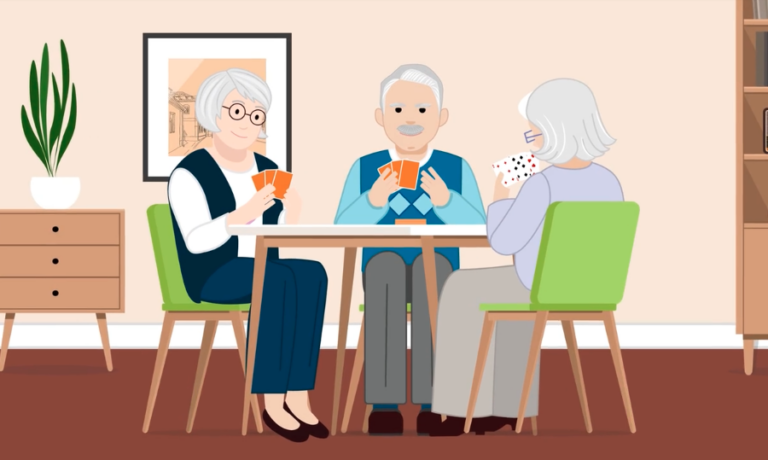
Dementia care in a residential care home provides support for people whose needs have become more complex. Care may include 24-hour staff support, structured routines, memory support, personal care, social activities, safety monitoring and support for families. Residential dementia care can help the person live safely while allowing family and carers to focus on their relationship rather than daily care tasks.
You can learn more about dementia care in residential aged care by listening to the podcast episode below.
Next step: Contact Helping Hand to ask about dementia care, memory support and residential care availability.
Age Old Problems: New Aged Care Podcast
00:00:00 Kate
Welcome to Age Old Problems: New Aged Care, a podcast by Helping Hand that offers information and advice to help you find and access the right aged care services. This podcast was recorded on Kaurna Land.
00:00:22 Kate
Hello and welcome to another episode of Age Old Problems: New Aged Care. I’m your host, Kate Holland. This episode is one of three that we are devoting to dementia, a condition that an estimated 433,000 Australians currently live with. Joining me back on the podcast is Tanya McIver, who is Group Manager of Residential Services at Helping Hand. Together we’re going to explore the reasons why someone living with dementia may need to enter a residential care home and how care homes enable people living with dementia to live their best lives. Welcome back Tanya.
00:00:52 Tanya
Thank you Kate.
00:00:53 Kate
So for those who haven’t listened to the previous episode, can you just briefly describe what your role is at Helping Hand and what that involves?
00:01:00 Tanya
I work in residential services and my background is clinical and operational leadership in aged care. I’ve been in aged care for about 20 years and my current role is to oversee and support four of our residential aged care homes, and the staff, to provide high quality care and safe care to our residents.
00:01:17 Kate
In this previous episode we spoke about the different ways that you can keep someone living with dementia safe in their home and how you can make life easier for them and there are some great tips around that. But in most cases there comes a point when living at home is no longer the best option. Can you run through the types of reasons why someone might need to go into care?
00:01:34 Tanya
Sure, it does get to a point where there are some real trigger points that do require that supportive residential care. It can be the safety of the person living with dementia. If you’re unable to maintain them within the home, there may be risk of wandering, not being able to find their way home. Increased care needs, that’s when you might need a lot more assistance with your showering and with that general support, because it can become quite difficult to provide that care, and it’s sometimes very difficult for the person providing the care to be doing those tasks. Increased clinical needs, such as need for medication, support to take medications. Sometimes it’s a falls risk. So overall, the really big one also is carer fatigue. So often a carer has just spent so much time, it’s a 24 hour job, which one person can’t do. So the main trigger is, there’s going to need to be some help to look after the person with dementia and also really importantly for the caregivers that have just given so much to their person.
00:02:34 Kate
And I imagine if there’s a safety risk and there’s a worry that comes, you know, all of us worry about leaving the iron on or the stove top, but if that’s actually happening more frequently, that’s going to be a real concern both for the person living and the person caring for them.
00:02:47 Tanya
It’s an absolute concern. That safety, that potential for harm just for the person with dementia or for someone living with that person, it becomes a real concern from the safety and then a real concern for the other members of the family that want to look after both the people. So if it’s a couple living at home and one’s doing all the care, family and friends are going to be really worried about both of them.
00:03:10 Kate
So what are the benefits of a care home? Obviously it’s going to alleviate some of the issues, but what are some of the other benefits of a care home for someone living with dementia?
00:03:18 Tanya
It’s the 24-hour clinical and care at all times. It’s the support in the middle of the night that’s needed. It’s the opportunity for the carer to be able to step back and also look after themselves. We often say you need to trust us to do the care so you can go back to being the loved person and re-establish that relationship with your loved one. You know, let us worry about getting your person, your loved one into the shower, you worry about coming and having a coffee with them.
00:03:49 Kate
Yeah, you’ve got more space just to be back having that relationship again, don’t you? And you mentioned 24-7. Now again, if someone missed earlier episodes about dementia, and I didn’t know this either, that sometimes the body clock changes and people are up a lot later at night, so that is an interesting fact for people to understand. That’s why the 24-7 is really important, isn’t it?
00:04:09 Tanya
Absolutely. So if you think about someone living at home that’s having trouble with their time, which can happen with dementia, so the middle of the night is suddenly the middle of the day. As a carer, you’re having to be on task 24 hours a day. If it happens here at our care homes, we’ve got registered nurses and care staff there to guide, redirect, support. What it also means is the caregiver at home is getting a good night’s sleep and can come in and give themselves back again.
00:04:37 Kate
So the benefits to family members of residential care for someone living with that, that’s a really big part of it, isn’t it? It’s letting them rest, it’s letting them return to their original relationship and just be partner or daughter or son.
00:04:49 Tanya
The partnering is so important and when someone comes into care, the most important relationship is the staff and of course the person living in our care, the resident, but also a partnership with the family members that know this person better than anyone. So they’re the ones that need to support and guide the way we deliver care to their loved one because we vary it for each person. So it’s making sure we really partner with loved ones and that helps build the way we deliver care.
00:05:17 Kate
So does that mean you have quite an in-depth intake conversation with the person who cares?
00:05:22 Tanya
We do. It’s quite a detailed process and we want to set the person that’s coming into our care up to succeed. We want to set the staff up to succeed and give the right care to the right people. And we want to set up the family. They’re trusting us with their most important person in the world to them. So we need to make sure they’re part of that care planning. So there are assessments and planning. There’s opportunities to get to know the resident, who they are now and who they have always been.
00:05:52 Kate
Yeah, is that an important part of it, understanding who they may have been and what their life was and maybe what their career was and how that might show up in some of their behaviours?
00:06:00 Tanya
It’s vital because people present in very different ways. They’ll often present on different timelines. So they may on certain days think they’re back as a 25 year old school teacher. There’s no arguing that, it’s supporting where they are and how they’re feeling. It’s understanding what some experiences might be. I’ve looked after people that have even served in wars or been prisoner of wars. Their experience and the way we have to interact with them is very different. Someone that has been a stay at home mum is going to be busily looking for the kids at 4 o’clock. So it’s really important that our staff know all of those things about each resident and adapt. They have to meet them in their world and adapt to each person.
00:06:44 Kate
That’s great. That’s a very deep dedication you have. And I assume that part of your process is reassuring the carer that all the people who are assigned to looking after their loved one are going to have this deep understanding.
00:06:55 Tanya
It is. It’s about the staff training. It’s about the reassurance and building the trust. It’s also about them understanding that they’re coming into care because they do have very high care needs. Things will still happen. Falls may still happen because we’re encouraging some independence. So some of the things that were still happening at home will still happen in care. There’s someone there 24 hours a day to support, pick up, treat and assess. So that’s why it’s so important to be able to have that reassurance that if something happens tonight, someone’s going to be there.
00:07:28 Kate
And obviously people will come in with slightly different levels of needs. Helping Hand has 11 care homes with dedicated memory support units, or otherwise known as MSUs, I think, aren’t they, within the system?
00:07:40 Tanya
Yes.
00:07:41 Kate
Does somebody living with dementia necessarily always need an MSU?
00:07:45 Tanya
Not always. So over half of our residents in Helping Hand have got a diagnosis of dementia. It’s what brings them into care. For others, it’s in conjunction with other illnesses. The demand is huge. As we go through it, not everyone is going to present in the same way. And that’s one of the real challenges of dementia. It’s not a predictable way of presenting. It’s not a predictable timeline of how you’re going to deteriorate. Some people can live in our open areas quite safely. It’s when it’s again a risk of potentially exit seeking or leaving and getting lost. And the other real reason that we see people needing memory support is to go into a smaller, more contained unit.
00:08:27 Tanya
The world becomes very overwhelming when you’re living with dementia. You know, you think about young people travel the world. With dementia, you start to see the world needs to get smaller and smaller to cope. Often we might say to a family member, we think they’ll do really well in a more contained unit where they can cope, they can familiarise themselves. And then, you know, they find that they’re more comfortable with a smaller room, a smaller area, it’s not so overwhelming. So sometimes it’s that emotional need to go into a smaller unit, where it’s got those real specialised staff members as well.
00:09:01 Kate
And are there particular activities that are undertaken within those units as well?
00:09:06 Tanya
We try and give a really varied lifestyle program. We’ve got some incredible technology coming in as well. So obviously company, social support, chatting, engaging – everyone needs social engagement and company. But there’s also ways of supporting it. We’ve got Tovertafel tables, and I never say that correctly, but…
00:09:24 Kate
And you need to explain what they are.
00:09:26 Tanya
I like to call them a magic table. There’s some AI, it’s like a computer program. It’s a tabletop, and there’s some incredible interactive games that can stimulate cognitive and also physical capability.
00:09:38 Kate
They have music too, don’t they?
00:09:39 Tanya
Music’s a massive thing. Bubbles that go pop, but there’s also other people, they’re not able to use those. So we have to adapt to different stages, because there are different stages for people living with dementia. Some people remain really mobile, other people may lose their mobility and need a lifestyle program that’s still able to be provided. Even if they’re not able to get out of their chair anymore, we still provide the right level of lifestyle engagement to keep their social and emotional content going.
00:10:08 Kate
So that remains an ongoing focus. There are always activities that are designed and aligned to someone’s situation.
00:10:14 Tanya
Yes, we certainly adapt. We’ve got lifestyle programs, we’ve got some incredible staff. But the other thing in a memory support unit is all of our staff, whether you’re the nurse, the carer, working in hotel services, has an understanding of people living with dementia because our residents don’t know who we are. They just know how we make them feel and they know who their people are.
00:10:37 Kate
And I’ve met several people since doing some activities with Helping Hand who genuinely enjoy their time at the memory support unit. So maybe that outside perspective that dealing with people who are living with dementia is all hard work. That’s not actually true, isn’t it? There’s some real moments of joy and happiness.
00:10:51 Tanya
It’s a beautiful place to work. The staff that go in there give their heart and soul for 8 hours a day to people that they genuinely care about. We really try and put people in there that have this as their passion. We know our residents so well, we really care for them. I’ve seen care staff that treat them like family and provide the care as if they would for their own family. And I know if I had to put my person into aged care, I’d want a group of people that genuinely care and love my person. And that’s how I’m going to get respect and dignity and trust.
00:11:24 Kate
And seek out moments of joy with those people.
00:11:26 Tanya
The moments are so important. And someone living with dementia can have a really great day, can have a really great hour or a really great 5 minutes. And if we can grab that 5 minutes and a family can get that 5 minutes back of clarity with their person, that’s why we do it.
00:11:44 Kate
So can family members come and visit within the memory support unit?
00:11:46 Tanya
At any time. We absolutely support that. We like to partner with people, they can get involved in activities. So just because you live in a memory support unit, you can still come out, be in the other areas of the home, come for coffee at the cafes, come to other concerts and activities. So there’s life within an aged care home. It’s a really lively, beautiful place. It’s a community.
00:12:09 Kate
I know the government is pushing harder and harder for person-centered care, which is actually something Helping Hand has been doing for a very long time. But is there something that you can provide as an example about how you have delivered person-centered care to someone living with dementia? I think you sort of have alluded to it anyway, but is there a sort of a standout thing that you might do?
00:12:26 Tanya
It’s the life history is how we actually can deliver it. I was walking through a memory support unit last week and the first lady spoke to me about her country town. So it was important that I knew which country town that was. She thought she was there. So rather than saying, no, you’re not, it was, tell me about the main street. The next person I knew was a farmer. And he actually said to me, let’s get out there and shoot the rabbits. We encourage staff to change for each person. So it’s knowing that’s what’s important to that person. The next lady presents beautifully with bright red lipstick. First thing she said is, when are you going to get your hair done? So we can do really big projects, but it’s those small things that make a difference.
00:13:08 Kate
And understanding that about those people, is that part of that early gathering of information with their carers?
00:13:13 Tanya
Yes, it is. I’ve had ex-nurses that have come in and because I’m a nurse, I remember having one lady sitting in doing the rosters with me. She just was looking and looking for something to do. And she said, you look like you’re really busy. And I said, I need help with my rosters. She said, leave it with me. And it was beautiful.
00:13:29 Kate
So she sat side by side with you.
00:13:30 Tanya
She sat there and we did the rosters.
00:13:32 Kate
I’ve heard a similar story of a previous GP who got really agitated at the end of the day. And eventually somebody understood that was his previous life and they set him up a table in the corner and he would sit there writing scripts for hours and was really happy.
00:13:45 Tanya
So it’s meaningful engagement. So we can do wonderful activities. But it’s those meaningful moments and that meaningful engagement. Not everyone wants to sit and do rosters or write the scripts, but it meant something that person felt and the GP example would have felt they were adding value again.
00:14:02 Kate
There’s lots of reasons why it makes sense to me having chatted to you about why a residential care home would be a really valuable next step for people. But for anybody that is listening to this episode, what would be the top three reasons you would say they should start thinking about a residential care home and what are the key benefits?
00:14:19 Tanya
The top three reasons would be safety, getting the right level of care that every person deserves, and looking after the carers. And the benefits are that everyone can step back. There’s a reason why we have 24-hour care. It’s because people have care needs that require that. And it’s about supporting the carers to know it’s okay to say it’s time, it’s actually okay, and that that’s what we’re here for.
00:14:46 Kate
That would be a moment for people, wouldn’t it? There’s a sense of guilt sometimes that they are saying, this is what we need. Is that part of your role to actually assure them that that’s okay?
00:14:54 Tanya
Absolutely. The guilt when someone feels that it’s time to put someone into care is huge. I should have been able to look after them. I’ve failed them. I promised them I’d never do this. But sometimes that just has to happen. And that’s why we’re here and the conversations are very much about – you have done an amazing job, you have got your person to this point, we are really here to look after your person and we’re here to look after you. And so it is okay for it to be time.
00:15:24 Kate
We’re going to talk further about tips for somebody coping with looking after a loved one. And we’ve alluded to this now. And like you said before, by you helping them out, they can return to their previous role as a family member or a loved one and they can have the energy and attention to grab hold of those glimmers, those 5 minutes where they might get their person back. And that’s really, really important, isn’t it?
00:15:45 Tanya
It’s so important. Sometimes I’ll have a family come and say, we’ve had a great morning. And I’ll say, what a gift. What a gift you’ve got back today. Grab today. Can’t promise what tomorrow will look like, but grab what happened today.
00:15:57 Kate
That’s beautiful, Tanya. Thank you so much again for your invaluable knowledge on this area.
00:16:02 Tanya
Thank you.
00:16:06 Kate
For more information on Helping Hand and their services, please head to www.helpinghand.org.au or call Helping Hand directly on 1300 653 600.