


Whyalla, Yeltana

25 Newton Street, Whyalla SA 5600

Yeltana, whose name originates from an Aboriginal word meaning ‘somewhere to rest’, has been part of the Whyalla community for several decades.

If you’re interested in moving in to our home Yeltana in Whyalla please complete a Residential Care Expression of Interest Form.

Yeltana has a beautiful foreshore location, with picturesque views over Spencer Gulf.

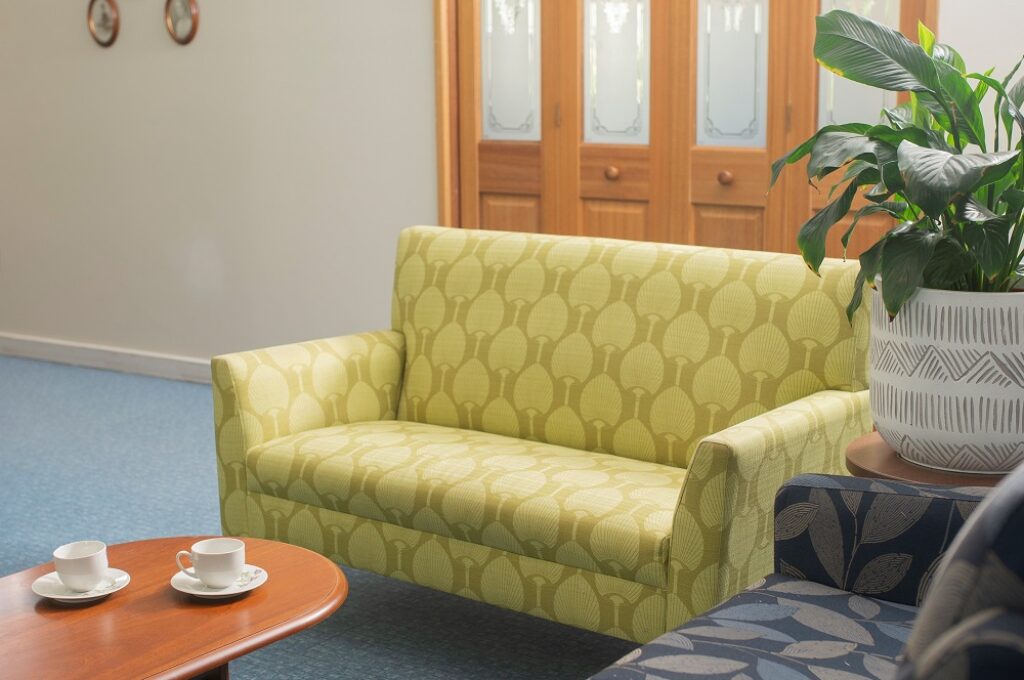
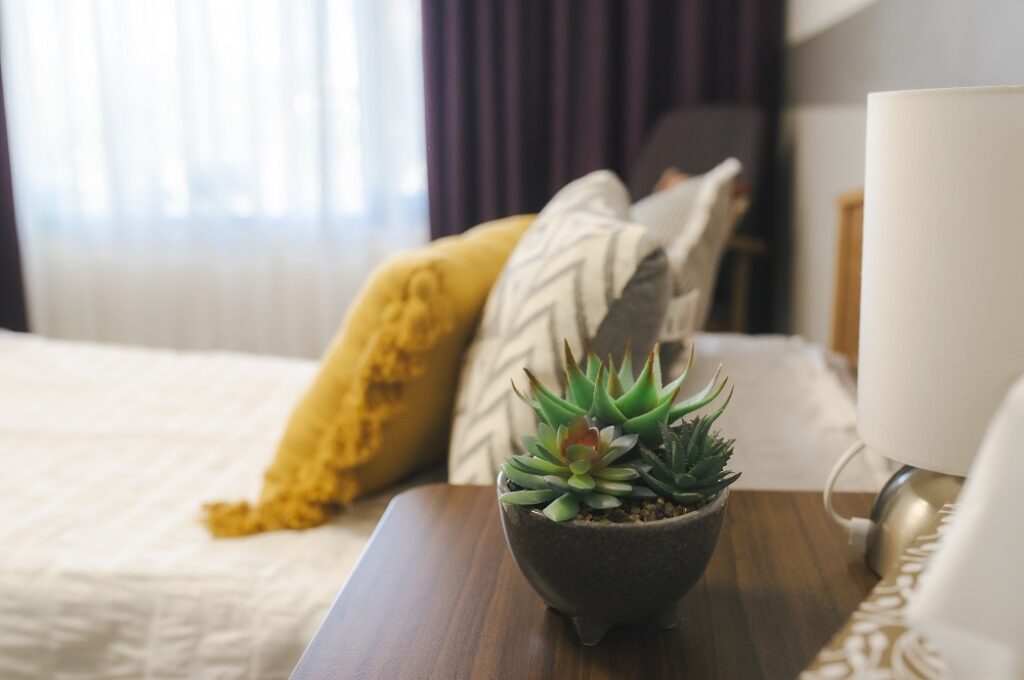
There are a variety of room choices, including beachfront rooms with private ensuites, and double rooms which can accommodate the needs of couples.

The memory support unit assists those living with dementia with specialised support and care.

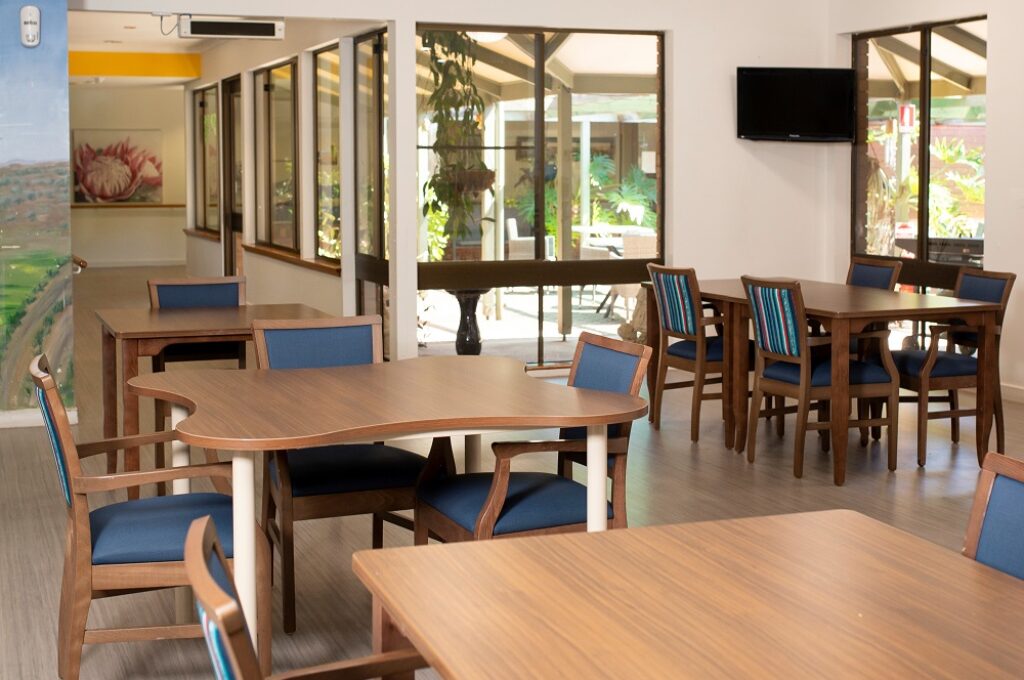
We provide quality home style cooking with much of our produce sourced locally.

Tailored care, lifestyle, health and nutrition programs are created with residents when they move in to Yeltana, and are reviewed often to ensure residents have the best quality of life.


Floorplans and pricing


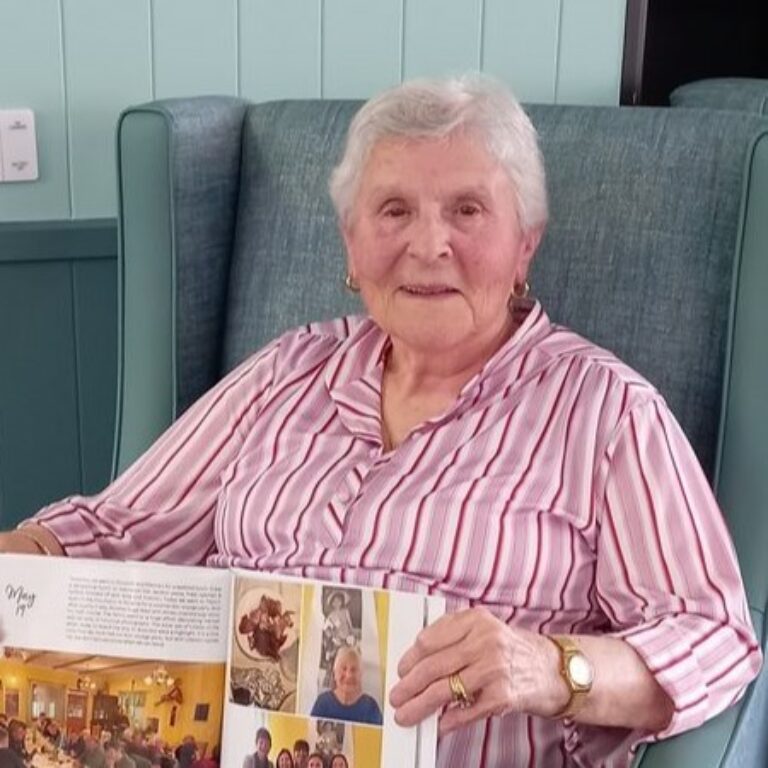
In my heart, I still feel Italian, but my loyalty is to Australia first, this is my home. Thank God I was able to find a place here in Whyalla. My daughter visits and calls me every day, and I enjoy the activities.

Liliana

Resident, Helping Hand Copperhouse Court Whyalla

Advice about Residential Care

Yes. Helping Hand can arrange residential care home tours by appointment. Visiting a home can help you understand the environment, rooms, shared spaces, lifestyle activities and whether the home feels right for you or your family member. Entry requirements may change depending on current health or government advice. Virtual tours are also available for some homes on the residential care locations page.

Next step: Call 1300 653 600 or book a tour online.

Eligibility for government-subsidised residential aged care is assessed through My Aged Care. An aged care assessor will discuss your health, safety, daily support needs and current living situation before confirming whether you are approved for residential aged care. Many people still know this as an ACAT assessment. Your approval letter will explain which services you are eligible to access and may include referral codes.

Next step: Contact My Aged Care to arrange an assessment, then speak with Helping Hand about available homes and next steps.

Retirement living is for people who want independent living in a community setting, while residential aged care is for people who need ongoing care and support in an aged care home. Retirement living focuses on lifestyle, independence and community. Residential care includes personal care, nursing, meals, daily support and 24/7 staff availability.

Home care supports you to stay living independently in your own home with services such as cleaning, personal care, transport, nursing, allied health and social support. Residential care is for people who need 24-hour support in a care home, including nursing, meals, personal care and lifestyle activities.

If you are unsure which option is right, contact Helping Hand or arrange an aged care assessment through My Aged Care.

Residential care includes daily support, 24-hour staff assistance, meals, personal care, medication support, laundry, housekeeping, building maintenance, lifestyle activities and help in emergencies. Residents also receive basic furnishings and are encouraged to bring personal items that help make their room feel like home. Additional services and facilities may vary by location.

Next step: View individual care home pages or contact Helping Hand to discuss what is included at your preferred home.

Aged care residents have rights under the Statement of Rights. These include the right to independence, autonomy, empowerment and freedom of choice; equitable access; quality and safe care and services; respect for privacy and information; person-centred communication and the ability to raise issues without reprisal; and the right to advocates, significant persons, and social connections.

Next step: Read the Statement of Rights and speak with Helping Hand if you have questions about resident rights, advocacy or support.