



Port Pirie

15 Halliday Street, Port Pirie SA 5540

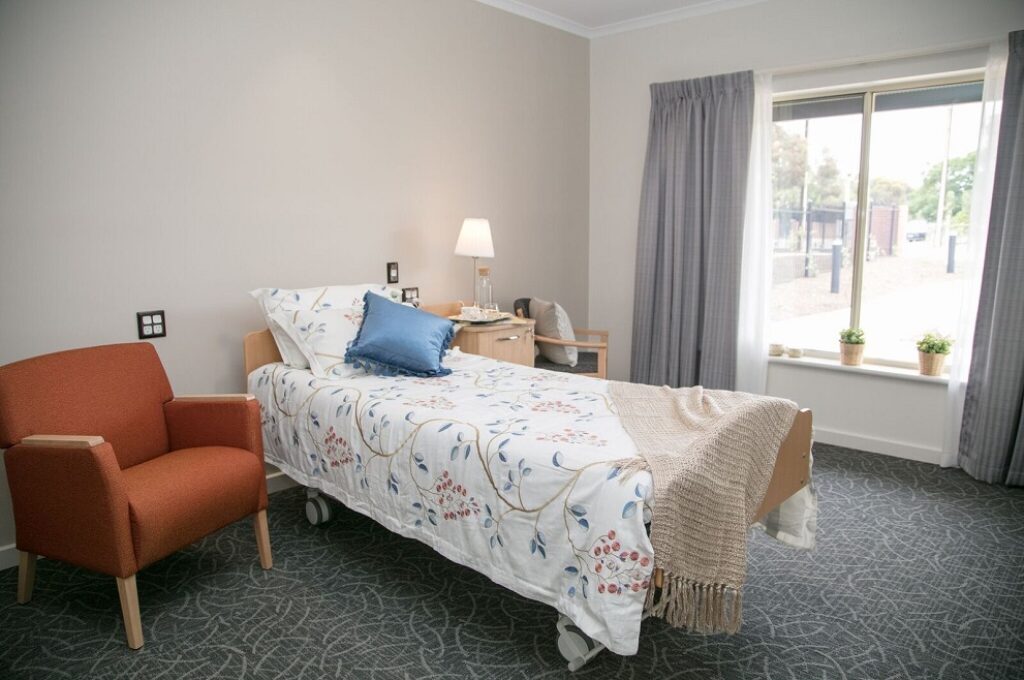
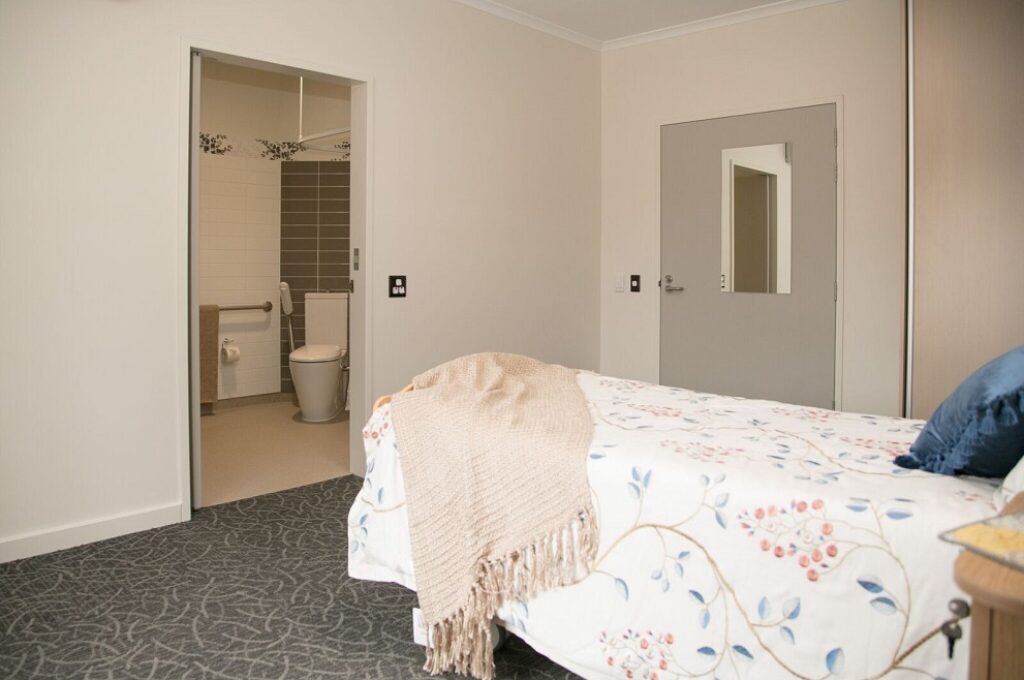
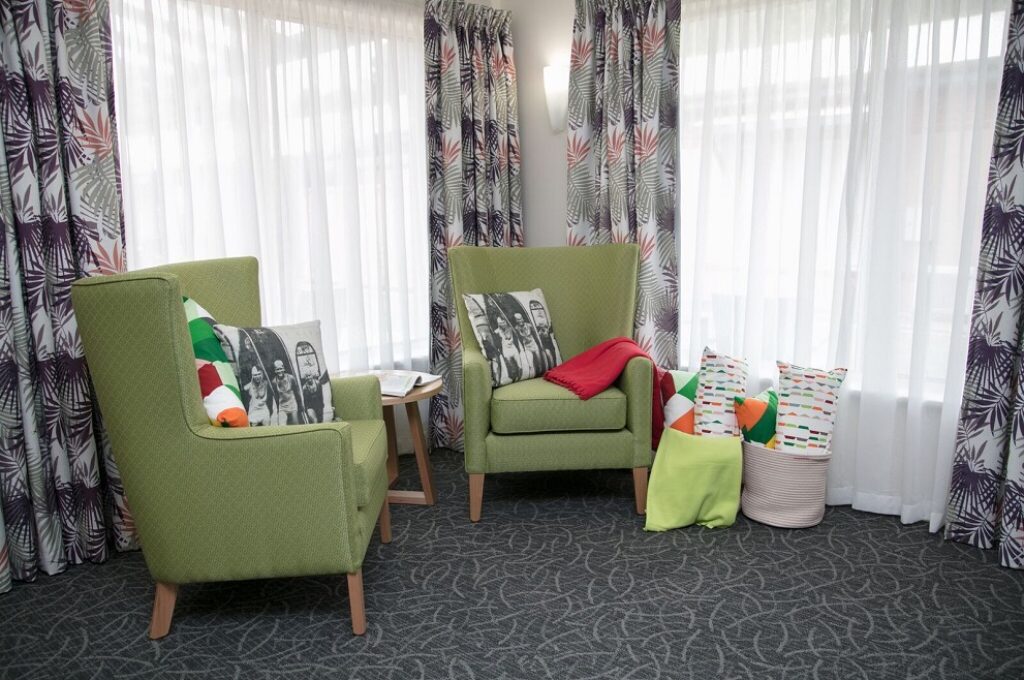
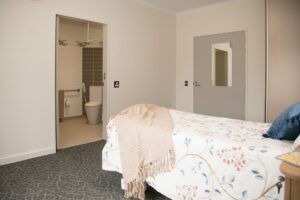
Our Port Pirie care home, known as Lealholme, is set amongst a backdrop of nature reserves and peaceful gardens.

If you are interested in moving into Lealholme at Port Pirie, please complete a Residential Care Expression of Interest Form.

Our Port Pirie residential care home, known locally as Lealholme, is close to the main shopping area of town, next to beautiful parks and also features its own gardens.

We welcome families, we welcome visitors, we are part of the community. Residents share a strong community spirit and enjoy going to regular functions, themed dinners and outings organised by a dedicated Lifestyles Coordinator.

The food is cooked fresh on site by qualified chefs.

In 2016, Lealholme was extended to include specialised accommodation for people living with dementia.


Floorplans and pricing


Take a virtual tour

I realised my purpose in life is to help older people. I really love them, and I give my all to them. It’s not just about the money; it’s far more than that. It’s about the connections I get to form with clients.

Josh

Home Support Worker

Advice about Residential Care

Residential aged care costs vary depending on the home, room type, government funding and your personal financial situation. The Australian Government may contribute to care costs, and residents may also need to contribute depending on their means assessment. Costs may include care fees, accommodation costs and optional additional services. Helping Hand publishes fees on individual residential care home pages.

Next step: Review My Aged Care cost guidance, check fees on the relevant home page and speak with Helping Hand’s Admissions Team.

Qualifications depend on the role. All employees need to be eligible to live and work in Australia and may need a current national police clearance. Some roles require specific qualifications, licences or registrations. Common examples include Certificate III in Individual Support for care roles, a full South Australian driver’s licence for community roles, a Diploma of Nursing for Enrolled Nurses, and a Bachelor of Nursing plus AHPRA registration for Registered Nurses.

Next step: Review the job advertisement for role-specific requirements and contact Helping Hand recruitment with questions.

Retirement living is for people who want independent living in a community setting, while residential aged care is for people who need ongoing care and support in an aged care home. Retirement living focuses on lifestyle, independence and community. Residential care includes personal care, nursing, meals, daily support and 24/7 staff availability.

Yes. Helping Hand can arrange residential care home tours by appointment. Visiting a home can help you understand the environment, rooms, shared spaces, lifestyle activities and whether the home feels right for you or your family member. Entry requirements may change depending on current health or government advice. Virtual tours are also available for some homes on the residential care locations page.

Next step: Call 1300 653 600 or book a tour online.

Residential care includes daily support, 24-hour staff assistance, meals, personal care, medication support, laundry, housekeeping, building maintenance, lifestyle activities and help in emergencies. Residents also receive basic furnishings and are encouraged to bring personal items that help make their room feel like home. Additional services and facilities may vary by location.

Next step: View individual care home pages or contact Helping Hand to discuss what is included at your preferred home.

Eligibility for government-subsidised residential aged care is assessed through My Aged Care. An aged care assessor will discuss your health, safety, daily support needs and current living situation before confirming whether you are approved for residential aged care. Many people still know this as an ACAT assessment. Your approval letter will explain which services you are eligible to access and may include referral codes.

Next step: Contact My Aged Care to arrange an assessment, then speak with Helping Hand about available homes and next steps.