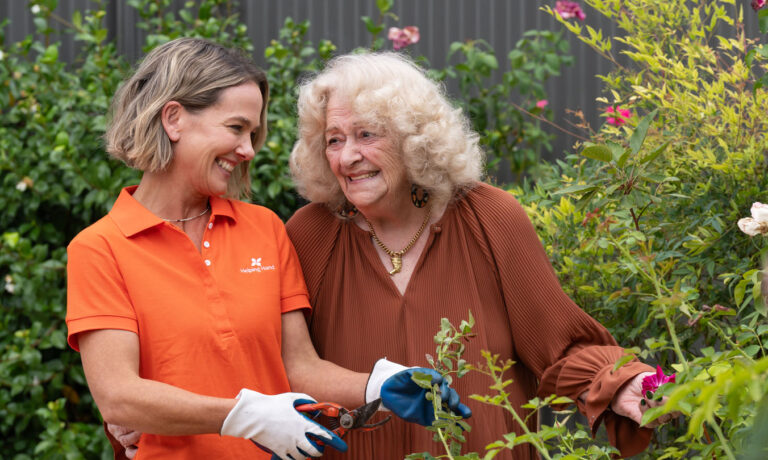
Helping Hand offers home care services and in-home support to help older people stay independent, safe and connected at home across metropolitan Adelaide and regional South Australia. Support can include domestic assistance, personal care, transport, nursing, allied health and social connection.
See Help at HomeNeed some more advice?
If you’ve got more questions about Help at Home, we’ve got answers.
See adviceHelping Hand Retirement Living supports people who want to live independently in a lower-maintenance home while staying connected to a friendly community. Villages are located across South Australia and may suit people who are ready to downsize while keeping their independence.
See Retirement LivingNeed some more advice?
Is Retirement Living right for you? Get some extra advice from Helping Hand.
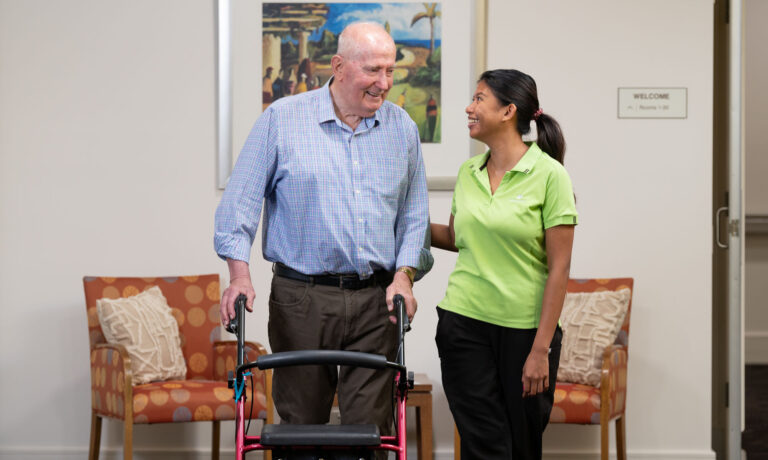
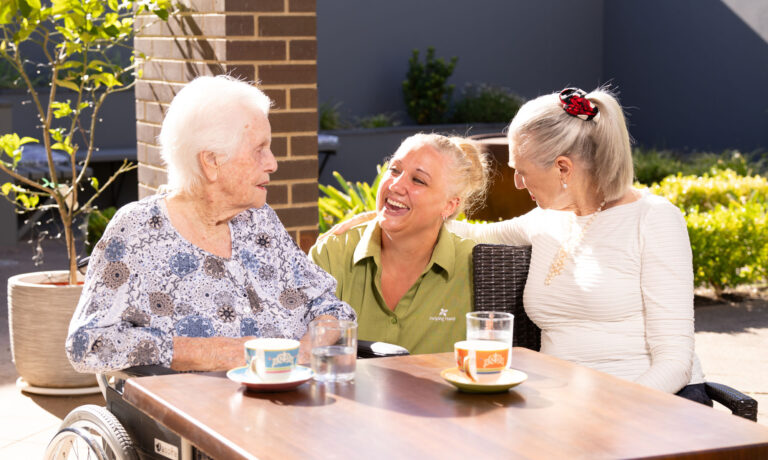
See adviceHelping Hand provides 24-hour residential aged care in 11 care homes across metropolitan Adelaide and regional South Australia. Residents are supported with personal care, nursing, meals, lifestyle activities and dementia support in a safe, welcoming environment.
See Residential CareNeed some more advice?
Is Residential Care right for you? Get some extra advice from Helping Hand.
See adviceExplore aged care careers, volunteering and student placements with Helping Hand, a South Australian not-for-profit supporting older people across home care, retirement living and residential care.
See CareersWhy work with us?
Do you want to join the Helping Hand team and make a difference?
See job vacanciesHelping Hand offers home care services and in-home support to help older people stay independent, safe and connected at home across metropolitan Adelaide and regional South Australia. Support can include domestic assistance, personal care, transport, nursing, allied health and social connection.
See Help at HomeNeed some more advice?
If you’ve got more questions about Help at Home, we’ve got answers.
See adviceHelping Hand Retirement Living supports people who want to live independently in a lower-maintenance home while staying connected to a friendly community. Villages are located across South Australia and may suit people who are ready to downsize while keeping their independence.
See Retirement LivingNeed some more advice?
Is Retirement Living right for you? Get some extra advice from Helping Hand.
See adviceHelping Hand provides 24-hour residential aged care in 11 care homes across metropolitan Adelaide and regional South Australia. Residents are supported with personal care, nursing, meals, lifestyle activities and dementia support in a safe, welcoming environment.
See Residential CareNeed some more advice?
Is Residential Care right for you? Get some extra advice from Helping Hand.
See adviceExplore aged care careers, volunteering and student placements with Helping Hand, a South Australian not-for-profit supporting older people across home care, retirement living and residential care.
See CareersWhy work with us?
Do you want to join the Helping Hand team and make a difference?
See job vacanciesHelping Hand offers home care services and in-home support to help older people stay independent, safe and connected at home across metropolitan Adelaide and regional South Australia. Support can include domestic assistance, personal care, transport, nursing, allied health and social connection.
See Help at HomeNeed some more advice?
If you’ve got more questions about Help at Home, we’ve got answers.
See adviceHelping Hand Retirement Living supports people who want to live independently in a lower-maintenance home while staying connected to a friendly community. Villages are located across South Australia and may suit people who are ready to downsize while keeping their independence.
See Retirement LivingNeed some more advice?
Is Retirement Living right for you? Get some extra advice from Helping Hand.
See adviceHelping Hand provides 24-hour residential aged care in 11 care homes across metropolitan Adelaide and regional South Australia. Residents are supported with personal care, nursing, meals, lifestyle activities and dementia support in a safe, welcoming environment.
See Residential CareNeed some more advice?
Is Residential Care right for you? Get some extra advice from Helping Hand.
See adviceExplore aged care careers, volunteering and student placements with Helping Hand, a South Australian not-for-profit supporting older people across home care, retirement living and residential care.
See CareersWhy work with us?
Do you want to join the Helping Hand team and make a difference?
See job vacanciesHelping Hand’s Advice & FAQs section provides clear, practical answers to common aged care questions for older people, families and carers. Use this page to learn about Help at Home, Residential Care, Retirement Living, respite, allied health, dementia support, assessments, costs and the next steps to access support.
Helping Hand is a government-accredited aged care provider, assessed against the Aged Care Quality Standards by the Aged Care Quality and Safety Commission.
We believe that Dementia Support is far more than a medical diagnosis, it’s a journey that begins well before any clinical signs appear. It starts with the way we live, the way we
connect, and how we interact with our surroundings and with each other. Every conversation, every activity, and every environment plays a role in supporting wellbeing and maintaining a
sense of identity.
Our approach to Dementia Support focuses on creating meaningful experiences, fostering relationships, and ensuring that every individual feels valued, understood, and supported throughout their journey. This is a new and evolving area, and we will continue to share more as we develop additional services and programs to enhance support for people living with dementia in the community.
Dementia care in a residential care home provides support for people whose needs have become more complex. Care may include 24-hour staff support, structured routines, memory support, personal care, social activities, safety monitoring and support for families. Residential dementia care can help the person live safely while allowing family and carers to focus on their relationship rather than daily care tasks.
You can learn more about dementia care in residential aged care by listening to the podcast episode below.
Next step: Contact Helping Hand to ask about dementia care, memory support and residential care availability.
Age Old Problems: New Aged Care Podcast
00:00:00 Kate
Welcome to Age Old Problems: New Aged Care, a podcast by Helping Hand that offers information and advice to help you find and access the right aged care services. This podcast was recorded on Kaurna Land.
00:00:22 Kate
Hello and welcome to another episode of Age Old Problems: New Aged Care. I’m your host, Kate Holland. This episode is one of three that we are devoting to dementia, a condition that an estimated 433,000 Australians currently live with. Joining me back on the podcast is Tanya McIver, who is Group Manager of Residential Services at Helping Hand. Together we’re going to explore the reasons why someone living with dementia may need to enter a residential care home and how care homes enable people living with dementia to live their best lives. Welcome back Tanya.
00:00:52 Tanya
Thank you Kate.
00:00:53 Kate
So for those who haven’t listened to the previous episode, can you just briefly describe what your role is at Helping Hand and what that involves?
00:01:00 Tanya
I work in residential services and my background is clinical and operational leadership in aged care. I’ve been in aged care for about 20 years and my current role is to oversee and support four of our residential aged care homes, and the staff, to provide high quality care and safe care to our residents.
00:01:17 Kate
In this previous episode we spoke about the different ways that you can keep someone living with dementia safe in their home and how you can make life easier for them and there are some great tips around that. But in most cases there comes a point when living at home is no longer the best option. Can you run through the types of reasons why someone might need to go into care?
00:01:34 Tanya
Sure, it does get to a point where there are some real trigger points that do require that supportive residential care. It can be the safety of the person living with dementia. If you’re unable to maintain them within the home, there may be risk of wandering, not being able to find their way home. Increased care needs, that’s when you might need a lot more assistance with your showering and with that general support, because it can become quite difficult to provide that care, and it’s sometimes very difficult for the person providing the care to be doing those tasks. Increased clinical needs, such as need for medication, support to take medications. Sometimes it’s a falls risk. So overall, the really big one also is carer fatigue. So often a carer has just spent so much time, it’s a 24 hour job, which one person can’t do. So the main trigger is, there’s going to need to be some help to look after the person with dementia and also really importantly for the caregivers that have just given so much to their person.
00:02:34 Kate
And I imagine if there’s a safety risk and there’s a worry that comes, you know, all of us worry about leaving the iron on or the stove top, but if that’s actually happening more frequently, that’s going to be a real concern both for the person living and the person caring for them.
00:02:47 Tanya
It’s an absolute concern. That safety, that potential for harm just for the person with dementia or for someone living with that person, it becomes a real concern from the safety and then a real concern for the other members of the family that want to look after both the people. So if it’s a couple living at home and one’s doing all the care, family and friends are going to be really worried about both of them.
00:03:10 Kate
So what are the benefits of a care home? Obviously it’s going to alleviate some of the issues, but what are some of the other benefits of a care home for someone living with dementia?
00:03:18 Tanya
It’s the 24-hour clinical and care at all times. It’s the support in the middle of the night that’s needed. It’s the opportunity for the carer to be able to step back and also look after themselves. We often say you need to trust us to do the care so you can go back to being the loved person and re-establish that relationship with your loved one. You know, let us worry about getting your person, your loved one into the shower, you worry about coming and having a coffee with them.
00:03:49 Kate
Yeah, you’ve got more space just to be back having that relationship again, don’t you? And you mentioned 24-7. Now again, if someone missed earlier episodes about dementia, and I didn’t know this either, that sometimes the body clock changes and people are up a lot later at night, so that is an interesting fact for people to understand. That’s why the 24-7 is really important, isn’t it?
00:04:09 Tanya
Absolutely. So if you think about someone living at home that’s having trouble with their time, which can happen with dementia, so the middle of the night is suddenly the middle of the day. As a carer, you’re having to be on task 24 hours a day. If it happens here at our care homes, we’ve got registered nurses and care staff there to guide, redirect, support. What it also means is the caregiver at home is getting a good night’s sleep and can come in and give themselves back again.
00:04:37 Kate
So the benefits to family members of residential care for someone living with that, that’s a really big part of it, isn’t it? It’s letting them rest, it’s letting them return to their original relationship and just be partner or daughter or son.
00:04:49 Tanya
The partnering is so important and when someone comes into care, the most important relationship is the staff and of course the person living in our care, the resident, but also a partnership with the family members that know this person better than anyone. So they’re the ones that need to support and guide the way we deliver care to their loved one because we vary it for each person. So it’s making sure we really partner with loved ones and that helps build the way we deliver care.
00:05:17 Kate
So does that mean you have quite an in-depth intake conversation with the person who cares?
00:05:22 Tanya
We do. It’s quite a detailed process and we want to set the person that’s coming into our care up to succeed. We want to set the staff up to succeed and give the right care to the right people. And we want to set up the family. They’re trusting us with their most important person in the world to them. So we need to make sure they’re part of that care planning. So there are assessments and planning. There’s opportunities to get to know the resident, who they are now and who they have always been.
00:05:52 Kate
Yeah, is that an important part of it, understanding who they may have been and what their life was and maybe what their career was and how that might show up in some of their behaviours?
00:06:00 Tanya
It’s vital because people present in very different ways. They’ll often present on different timelines. So they may on certain days think they’re back as a 25 year old school teacher. There’s no arguing that, it’s supporting where they are and how they’re feeling. It’s understanding what some experiences might be. I’ve looked after people that have even served in wars or been prisoner of wars. Their experience and the way we have to interact with them is very different. Someone that has been a stay at home mum is going to be busily looking for the kids at 4 o’clock. So it’s really important that our staff know all of those things about each resident and adapt. They have to meet them in their world and adapt to each person.
00:06:44 Kate
That’s great. That’s a very deep dedication you have. And I assume that part of your process is reassuring the carer that all the people who are assigned to looking after their loved one are going to have this deep understanding.
00:06:55 Tanya
It is. It’s about the staff training. It’s about the reassurance and building the trust. It’s also about them understanding that they’re coming into care because they do have very high care needs. Things will still happen. Falls may still happen because we’re encouraging some independence. So some of the things that were still happening at home will still happen in care. There’s someone there 24 hours a day to support, pick up, treat and assess. So that’s why it’s so important to be able to have that reassurance that if something happens tonight, someone’s going to be there.
00:07:28 Kate
And obviously people will come in with slightly different levels of needs. Helping Hand has 11 care homes with dedicated memory support units, or otherwise known as MSUs, I think, aren’t they, within the system?
00:07:40 Tanya
Yes.
00:07:41 Kate
Does somebody living with dementia necessarily always need an MSU?
00:07:45 Tanya
Not always. So over half of our residents in Helping Hand have got a diagnosis of dementia. It’s what brings them into care. For others, it’s in conjunction with other illnesses. The demand is huge. As we go through it, not everyone is going to present in the same way. And that’s one of the real challenges of dementia. It’s not a predictable way of presenting. It’s not a predictable timeline of how you’re going to deteriorate. Some people can live in our open areas quite safely. It’s when it’s again a risk of potentially exit seeking or leaving and getting lost. And the other real reason that we see people needing memory support is to go into a smaller, more contained unit.
00:08:27 Tanya
The world becomes very overwhelming when you’re living with dementia. You know, you think about young people travel the world. With dementia, you start to see the world needs to get smaller and smaller to cope. Often we might say to a family member, we think they’ll do really well in a more contained unit where they can cope, they can familiarise themselves. And then, you know, they find that they’re more comfortable with a smaller room, a smaller area, it’s not so overwhelming. So sometimes it’s that emotional need to go into a smaller unit, where it’s got those real specialised staff members as well.
00:09:01 Kate
And are there particular activities that are undertaken within those units as well?
00:09:06 Tanya
We try and give a really varied lifestyle program. We’ve got some incredible technology coming in as well. So obviously company, social support, chatting, engaging – everyone needs social engagement and company. But there’s also ways of supporting it. We’ve got Tovertafel tables, and I never say that correctly, but…
00:09:24 Kate
And you need to explain what they are.
00:09:26 Tanya
I like to call them a magic table. There’s some AI, it’s like a computer program. It’s a tabletop, and there’s some incredible interactive games that can stimulate cognitive and also physical capability.
00:09:38 Kate
They have music too, don’t they?
00:09:39 Tanya
Music’s a massive thing. Bubbles that go pop, but there’s also other people, they’re not able to use those. So we have to adapt to different stages, because there are different stages for people living with dementia. Some people remain really mobile, other people may lose their mobility and need a lifestyle program that’s still able to be provided. Even if they’re not able to get out of their chair anymore, we still provide the right level of lifestyle engagement to keep their social and emotional content going.
00:10:08 Kate
So that remains an ongoing focus. There are always activities that are designed and aligned to someone’s situation.
00:10:14 Tanya
Yes, we certainly adapt. We’ve got lifestyle programs, we’ve got some incredible staff. But the other thing in a memory support unit is all of our staff, whether you’re the nurse, the carer, working in hotel services, has an understanding of people living with dementia because our residents don’t know who we are. They just know how we make them feel and they know who their people are.
00:10:37 Kate
And I’ve met several people since doing some activities with Helping Hand who genuinely enjoy their time at the memory support unit. So maybe that outside perspective that dealing with people who are living with dementia is all hard work. That’s not actually true, isn’t it? There’s some real moments of joy and happiness.
00:10:51 Tanya
It’s a beautiful place to work. The staff that go in there give their heart and soul for 8 hours a day to people that they genuinely care about. We really try and put people in there that have this as their passion. We know our residents so well, we really care for them. I’ve seen care staff that treat them like family and provide the care as if they would for their own family. And I know if I had to put my person into aged care, I’d want a group of people that genuinely care and love my person. And that’s how I’m going to get respect and dignity and trust.
00:11:24 Kate
And seek out moments of joy with those people.
00:11:26 Tanya
The moments are so important. And someone living with dementia can have a really great day, can have a really great hour or a really great 5 minutes. And if we can grab that 5 minutes and a family can get that 5 minutes back of clarity with their person, that’s why we do it.
00:11:44 Kate
So can family members come and visit within the memory support unit?
00:11:46 Tanya
At any time. We absolutely support that. We like to partner with people, they can get involved in activities. So just because you live in a memory support unit, you can still come out, be in the other areas of the home, come for coffee at the cafes, come to other concerts and activities. So there’s life within an aged care home. It’s a really lively, beautiful place. It’s a community.
00:12:09 Kate
I know the government is pushing harder and harder for person-centered care, which is actually something Helping Hand has been doing for a very long time. But is there something that you can provide as an example about how you have delivered person-centered care to someone living with dementia? I think you sort of have alluded to it anyway, but is there a sort of a standout thing that you might do?
00:12:26 Tanya
It’s the life history is how we actually can deliver it. I was walking through a memory support unit last week and the first lady spoke to me about her country town. So it was important that I knew which country town that was. She thought she was there. So rather than saying, no, you’re not, it was, tell me about the main street. The next person I knew was a farmer. And he actually said to me, let’s get out there and shoot the rabbits. We encourage staff to change for each person. So it’s knowing that’s what’s important to that person. The next lady presents beautifully with bright red lipstick. First thing she said is, when are you going to get your hair done? So we can do really big projects, but it’s those small things that make a difference.
00:13:08 Kate
And understanding that about those people, is that part of that early gathering of information with their carers?
00:13:13 Tanya
Yes, it is. I’ve had ex-nurses that have come in and because I’m a nurse, I remember having one lady sitting in doing the rosters with me. She just was looking and looking for something to do. And she said, you look like you’re really busy. And I said, I need help with my rosters. She said, leave it with me. And it was beautiful.
00:13:29 Kate
So she sat side by side with you.
00:13:30 Tanya
She sat there and we did the rosters.
00:13:32 Kate
I’ve heard a similar story of a previous GP who got really agitated at the end of the day. And eventually somebody understood that was his previous life and they set him up a table in the corner and he would sit there writing scripts for hours and was really happy.
00:13:45 Tanya
So it’s meaningful engagement. So we can do wonderful activities. But it’s those meaningful moments and that meaningful engagement. Not everyone wants to sit and do rosters or write the scripts, but it meant something that person felt and the GP example would have felt they were adding value again.
00:14:02 Kate
There’s lots of reasons why it makes sense to me having chatted to you about why a residential care home would be a really valuable next step for people. But for anybody that is listening to this episode, what would be the top three reasons you would say they should start thinking about a residential care home and what are the key benefits?
00:14:19 Tanya
The top three reasons would be safety, getting the right level of care that every person deserves, and looking after the carers. And the benefits are that everyone can step back. There’s a reason why we have 24-hour care. It’s because people have care needs that require that. And it’s about supporting the carers to know it’s okay to say it’s time, it’s actually okay, and that that’s what we’re here for.
00:14:46 Kate
That would be a moment for people, wouldn’t it? There’s a sense of guilt sometimes that they are saying, this is what we need. Is that part of your role to actually assure them that that’s okay?
00:14:54 Tanya
Absolutely. The guilt when someone feels that it’s time to put someone into care is huge. I should have been able to look after them. I’ve failed them. I promised them I’d never do this. But sometimes that just has to happen. And that’s why we’re here and the conversations are very much about – you have done an amazing job, you have got your person to this point, we are really here to look after your person and we’re here to look after you. And so it is okay for it to be time.
00:15:24 Kate
We’re going to talk further about tips for somebody coping with looking after a loved one. And we’ve alluded to this now. And like you said before, by you helping them out, they can return to their previous role as a family member or a loved one and they can have the energy and attention to grab hold of those glimmers, those 5 minutes where they might get their person back. And that’s really, really important, isn’t it?
00:15:45 Tanya
It’s so important. Sometimes I’ll have a family come and say, we’ve had a great morning. And I’ll say, what a gift. What a gift you’ve got back today. Grab today. Can’t promise what tomorrow will look like, but grab what happened today.
00:15:57 Kate
That’s beautiful, Tanya. Thank you so much again for your invaluable knowledge on this area.
00:16:02 Tanya
Thank you.
00:16:06 Kate
For more information on Helping Hand and their services, please head to www.helpinghand.org.au or call Helping Hand directly on 1300 653 600.

Early signs of dementia can include memory changes, confusion, difficulty completing familiar tasks, changes in mood or behaviour, losing track of time, trouble finding words or withdrawing from usual activities. Everyone’s experience is different, so it is important to seek advice if you notice ongoing changes.
You can learn more about what dementia is, how to recognise early changes, starting the conversation with loved ones, and where to find support by listening to the podcast episode below.
Next step: Speak with a GP, contact My Aged Care or ask Helping Hand about home care, respite and support options.
Age Old Problems: New Aged Care Podcast
00:00:00 Kate
Welcome to Age Old Problems: New Aged Care, a podcast by Helping Hand that offers information and advice to help you find and access the right aged care services. This podcast was recorded on Kaurna land.
00:00:22 Kate
Hello and welcome to another episode of Age Old Problems: New Aged Care. I’m your host, Kate Holland. Did you know that it’s estimated that in Australia there are more than 433,000 people living with dementia? So with this knowledge at hand, we’ve decided to devote three episodes to understanding it better. And this one’s the first.
00:00:40 Kate
Dementia is not a normal part of getting older. Instead, it’s a broad term that describes a collection of symptoms caused by disorders affecting the brain. And while everyone’s experience is unique, there are some early warning signs that you can look out for. Joining me to help you understand all of this a bit better is Tanya McIver, who is Group Manager of Residential Services at Helping Hand. Welcome Tanya.
00:01:00 Tanya
Thank you Kate.
00:01:01 Kate
So can you start by telling me a little bit about your role at Helping Hand. What does that involve?
00:01:05 Tanya
My background is clinical and a registered nurse, and currently I oversee and support four of our residential aged care homes at Helping Hand. And that’s supporting them with their clinical care, operational care, family and staff care.
00:01:18 Kate
Great. So how does that tie into understanding dementia? Can you talk me through your background and your experience in working with people with dementia?
00:01:25 Tanya
Sure. I was at university and worked as a carer while I was doing my registered nurse training. I moved into acute for a while, but always had an absolute love and passion for delivering respectful, dignified care to our older Australians, so I’ve been back in aged care for over 20 years, managing homes, and am very passionate about supporting staff involvement to ensure that there’s respect and dignity at all times.
00:01:49 Kate
And you did mention to me before we started this, you were drawn to work in aged care and with other people, why was that?
00:01:54 Tanya
The older people have created this country that we live in, and people deserve care, and they deserve the absolute best care after all the work that they’ve done to create this beautiful place that we live in. Staff need to respect, understand, and then make sure that we’re giving them the best experience possible in aged care, which is their final home.
00:02:15 Kate
So dementia, which unfortunately does impact a lot of people. So it’s not just one disease. How can you define dementia and what are some of the diseases that are linked with it?
00:02:23 Tanya
So there are a lot of different variants of dementia. There’s some that are diagnosed as part of another condition, like a Parkinson’s can lead to a dementia. There’s different parts of the brain that can be impacted which develop like a frontal lobe dementia, which will give different signs and symptoms. So there’s lots of early signs that people will pick up at home across that variety of disease diagnoses.
00:02:46 Kate
So is that why it appears quite differently in different people because of the condition leading towards it?
00:02:51 Tanya
It does. Because of different areas of the brain that it can affect, because different parts of our brain control different parts of our emotion, personality and behaviours. So there are different ways that signs and symptoms can come, and also people are individuals. So it impacts individuals differently and sometimes because of their life experience and lived experience, it will impact someone differently.
00:03:13 Kate
The differences aside and what leads to it aside, what are some of the common early signs of dementia that people might be able to look out for?
00:03:20 Tanya
You see, there’s the forgetting things, but it’s not just where’s my car keys. It’s actually. I don’t know where my bathroom is. I’m at my front door and I haven’t just forgotten my keys. I’m not sure if I know where my car is, so there’s the small forgetful things. People can also become very repetitive, so you might start to see someone ask the same thing over and over again, and no matter how many times you give the answer, that person is not able to retain it. Real changes in routine, often people are awake a lot at night, so that can change. And there’s also the fear of security, so people might go out their front door and not be sure where they are, so that’s when safety becomes a concern. And changes in someone’s personality, you might start to look and go, well, that’s just not like mum. She doesn’t do that. So things that are really out of character. It’s sort of a myth that it’s just, I’ll just start to forget things – there’s some critical personality changes that might start to get you worried that something’s going on.
00:04:18 Kate
I have heard, actually through personal experience, that not being able to deal with basic numbers and things like that, is that another indicator?
00:04:23 Tanya
Definitely. Something that’s always been familiar to a person, and you just forget your sequencing, so things no longer make sense and, you know, I’ve looked after people who are, say, school teachers that no longer can process putting prose and language together. Mathematicians, doctors, that just lose those real basic things that have been part of their life, and that has been what makes them who they are.
00:04:50 Kate
Can you sense their frustration with that?
00:04:52 Tanya
The early signs of dementia, and living with dementia early in life, is incredibly frustrating. Because you have moments of absolute clarity where you think, ‘what on earth am I doing?’ and that’s confronting and embarrassing for some people, especially people that have had very high pride in what they do. It can become very embarrassing trying to understand why you’re doing what you’re doing.
00:05:15 Kate
It must be a bit frightening for them if they start to be suspicious that this is something that’s becoming a problem. And then for family members, if they start to detect some things like these, where’s the best place for them to turn for help or advice? If they’re suspicious that maybe some of this forgetting is a bit more significant than the rest of us losing our keys, which we all do?
00:05:33 Tanya
Yes, there’s some really good starting points. Often people find that if they’ve got a family GP, it’s a really good place to start, because if you’ve got that relationship, they will also support understanding. There’s organisations such as Dementia Support Australia, there’s dementia hotlines that you can call. There are really great external supports, and also your own friends and family. So it’s, you know, opening up and just saying, look, I think this is what’s happening and asking for help. But absolutely the first starting point is your GP.
00:06:05 Kate
Great. Well, we’ll make sure we put some links in the show notes for Dementia Australia, etcetera. So people know where to turn to. What about broaching the recognition of these signs with the loved one that you think might be behaving differently than you’ve seen before? How’s what’s the best way to broach that?
00:06:18 Tanya
Again, it’s very individual. Some people will be really open to it. A diagnosis of dementia is absolutely life changing. And if the person’s living with dementia, their ability to process that may be very varied, so it’s gauging where they’re at as far as coping, and at that point, sometimes the real care has to go to the caregivers themselves to support them with it. Because sometimes you have to explain over and over again, so it’s not just saying on one occasion you’ve got dementia. It may be a daily and hourly recurrence of that person having no insight into that diagnosis.
00:06:59 Kate
What about anger or frustration that you’re saying to somebody you think this might be the situation? Do some people push back and just not want to hear it?
00:07:05 Tanya
Absolutely, because it is confronting and it’s uncomfortable to think that you might have that. Plus in the early stages, you know, you do come in and out of understanding. So when you are able to process it, it’s really scary. When you’re not able to process it, you don’t understand why people are saying that to you. That’s when you could become quite upset and agitated about it, and that’s not fun.
00:07:27 Kate
You don’t want to see your loved one upset. But am I right in thinking that the earlier that you address this situation, the better?
00:07:34 Tanya
Yeah, absolutely. If possible, that is the best way to get the help. There are medications in very early stages and that’s why it’s important to get that medical support from a GP who may then refer on to a geriatrician who specialises, so there are people that specialise in looking after people with dementia. So the sooner you can get to it, the better. And it also allows you to start changing your environment at home to support. So if you start to understand and get help for the symptoms, you may be able to then change your environment to support their wellbeing even longer.
00:08:06 Kate
And those support lines you talked about before, do they also provide support and advice for the carer as they’re trying to deal with this?
00:08:11 Tanya
Yes, there’s incredible support for carers because it’s a 24 hour job when you start caring for someone. So places like Dementia Support Australia have incredible hotlines. They have a whole series of training and podcasts and courses that you can actually do, that will support you to understand what’s happening, and give you some tips and some help, and also keep showing you different places to go for that help, and also allows you to connect with the community that’s going through the same thing as you are.
00:08:41 Kate
Which is really, really helpful, isn’t it, when you can relate – because not everybody can understand if they’re not going through it themselves. So is it possible for people living with dementia to remain at home?
00:08:52 Tanya
Yes, for a period of time, it absolutely can be. And there there’s ways of supporting that to happen. It may be decluttering your home, it may be putting some signage up, using different colours, ensuring familiar items are around, getting some help, bringing people in to help you, some home care so that you can have a break yourself. Because home is such a familiar environment, so if someone can stay at home for a longer period of time, it’s just so important. So there are people that can come in and do that, so home care is a great way to bring carers in if that helps out, because there may be times where the person living with dementia is now struggling to even sequence a shower, so you bring someone in to do that and get support for the caregiver as well.
00:09:38 Kate
But the familiarity for them living at home, that’s very reassuring, isn’t.
00:09:42 Tanya
Oh it is. It’s all the familiar things. It’s where the memories are. It’s, you know, where the photos are. That may help them orientate themselves to time and place again. And all those familiar items that are really important.
00:09:54 Kate
Now I imagine the answer to this question is varied, because we’ve already talked about the fact that everyone experiences this differently. But how long can people with dementia, or people living with dementia, usually stay at home?
00:10:04 Tanya
Totally varied. It depends on what signs and symptoms become more prevalent, when safety becomes an issue, that’s usually the trick. The two real triggers to have to come into care are safety of the person living with dementia, or carer fatigue for the person caring for someone with dementia. When someone is at risk of leaving the home in the middle of the night and getting lost, it’s time to think about do we need a more secure environment? If someone’s unable to even get the just general personal care and they’re at risk of other things like infection or skin breakdown, it’s really time to think about coming into care. Home services are great, but ultimately we have to look after the people looking after people with dementia as well. And if it gets to the point, you know, sometimes we call it the breaking point or the crisis point. It’s important to know that there’s incredible services available that can pick your loved one up, like residential aged care, and bring them into a safe place to land.
00:11:05 Kate
Now we’re going to do a whole other episode about residential aged care and why that’s very beneficial for both the person who’s living with dementia and their family. But before we wrap this one, if someone was going to reflect on listening to this episode, what would be sort of key advice or key things you’d like them to remember? Maybe in terms of what they should really look out for, and how they should broach it with a loved one if they think that maybe there’s some signs happening?
00:11:29 Tanya
The most important thing to remember is you know your person the best. You are gonna pick up the signs sooner than anyone else, because of your relationship with your person. That is really hard to do, but there’s so many services to help and the sooner you can open up, discuss it, bring that help in the sooner you’ll actually feel you can get the support and wrap around that person and give them all the care and support that they need.
00:11:53 Kate
That’s great. That’s a really good insight and understanding and while we know that it is going to affect people differently, there are some really key things people can look out for there. So thank you so much for joining us, and we’ll speak to you again soon.
00:12:04 Tanya
Thanks, Kate.
00:12:11 Kate
For more information on Helping Hand and their services please head to www.helpinghand.org.au or call Helping Hand directly on 1300 653 600.
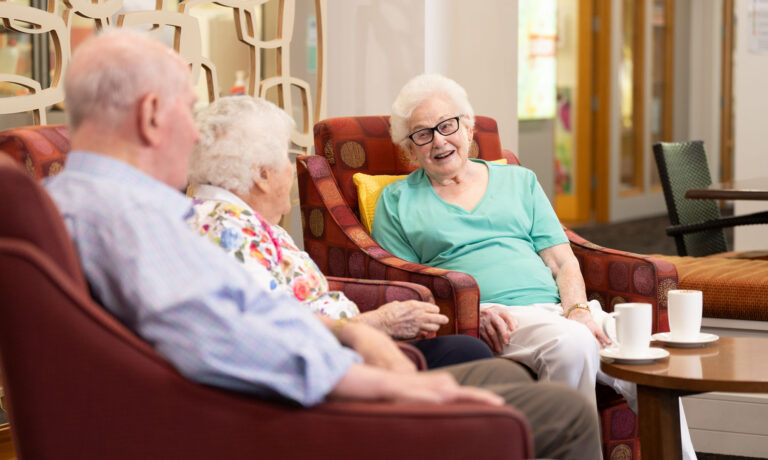
Support at Home is the government-funded program designed to help older people access care earlier and stay independent at home for longer. It focuses on assessed needs, personalised care pathways and services such as clinical care, everyday support, equipment and home modifications.
You can learn more about the new Support at Home program by listening to the podcast episode below.
Next step: Contact Helping Hand’s Home Care Services Team on 1300 444 663 or speak with My Aged Care about an assessment.
Age Old Problems: New Aged Care Podcast
00:00:00 Kate
Welcome to Age Old Problems: New Aged Care, a podcast by Helping Hand that offers information and advice to help you find and access the right aged care services. This podcast was recorded on Kaurna land.
00:00:23 Kate
Hello and thank you for listening to Age Old Problems: New Aged Care. I’m your host, Kate Holland. Now in response to the Royal Commission into Aged Care Quality and Safety, the government is introducing some changes with the aim of helping older Australians live independently at home for as long as possible. One of those is a new home care program called Support at Home, which will eventually replace Home Care Packages.
00:00:43 Kate
This change was expected to come in from the 1st of July this year, but the changeover has been pushed back until the 1st of November. Support at Home will eventually replace the Commonwealth Home Support Programme too, but no earlier than July 2027. Now we all know that with change comes many questions and Helping Hand has received many from those with existing home care packages. Someone who holds plenty of answers is the wonderful Mel Bassham. She is Aged Care Connector for Helping Hand and she joins me now to explain a few things before any changes take place. Welcome Mel.
00:01:13 Mel
Hello. Thank you.
00:01:14 Kate
Now let’s start with your role as Aged Care Connector. What exactly does that mean?
00:01:18 Mel
Many things. I can help people to register with My Aged Care and help them through the process to get access to supports at home. That could include anything from domestic assistance to social support to allied health therapies, it depends on what their need is. Do they have someone in their life that can support them but they’re feeling a bit overwhelmed as well and they need a bit of a nudge in the right direction? It can be a one on one support face to face, helping them through the assessment as well. So depending on what the person needs I can help them to get access to what they require.
00:01:53 Kate
And how do they reach out and make connection with you?
00:01:55 Mel
So they can call our 1300 number or there is an email connect@helpinghand.org.au?
00:02:01 Kate
Is that a free service through Helping Hand?
00:02:04 Mel
Yes, currently it is. Yes.
00:02:06 Kate
Now that the introduction of the new Aged Care Act is on hold, which also has an impact on Support at Home, we understand there’s still more information to come, but can you explain to the listeners exactly what Support at Home is and why it was going to be introduced?
00:02:18 Mel
It was introduced that Support at Home should be a fairer, user-friendly system to better meet the needs for older people. I do see how they have changed the way that it is structured, so it’s about the clinical need, your independence need, and then your everyday living. And then obviously the contribution towards that has changed as well. So in that regard, it is making that fairer, and I do think that they’re also looking at reducing the wait times to have access to those supports, as well as any goods and equipment or modifications to their home. Currently at the moment, you would need to accumulate your funds through the package, whereas with this new scheme there will be access to funding immediately. And also previously if you were waiting for a Home Care Level 4 for instance, which is the highest level at present, you could opt in to have a lower level. So a Level 2 and then you’d wait another time to get that extra funding. From what I understand, you will be allocated a higher level according to your needs and you will be able to access 60% of that funding after a small period of time, I think the aim is for three months that you would wait, which is significantly less where we’re looking at 12 to 18 months at present. When I first started in this role in another organisation six years ago, the wait time was blown out to two years. So it has come down. It’s just, for my liking, it’s not soon enough to access, and people are wanting help and don’t know what to do.
00:03:50 Kate
So when Support at Home comes in what will this mean for current and existing home care package holders?
00:03:59 Mel
So it depends on when their approvals are for their package that they have at the moment. And it all depends on one date which is the 12th of September. If you were approved and accessing, or on a wait list, prior to the 12th of September, you will transition, or in other terms grandfather, to Support at Home.
00:04:19 Kate
I see. So that’s for people who were approved prior to September 12th 2024.
00:04:24 Mel
After that date. So if you’re on the 13th of September and have an assessment and got approval, you will move in directly as being a new Support at Home customer.
00:04:32 Kate
OK, so there’s a lot of information for people to try and get their heads around. I believe with this in mind, Helping Hand has set up a dedicated hotline to answer these questions?
00:04:39 Mel
Sure, yes, they have that number is 1300 050 435. We have deep dived into the world of Support at Home and we kind of know the ins and outs of how it works and if we don’t know, we will look into it further and get back to that person if needed.
00:04:56 Kate
We’ll put that number in the show notes so people can go to it. Has it been busy?
00:04:59 Mel
There’s been times, yes, definitely. When Helping Hand has provided some information or when the government has sent out letters, we do get some concerns and worries, and by the end of the call, those people have been reassured and they understand that a bit more, so don’t be worried. Have a conversation before you start worrying. More often than not, it’s a better outcome of what they are actually seeing at the moment. There are some people that are better off, some people have had no change whatsoever. It’s just business as usual.
00:05:29 Kate
Are there any repeated questions that seem to be coming up, I think co-contributions was one of the ones?
00:05:30 Mel
Definitely. Co-contributions and rolling over of built up funds. They’ve been for a period where they’ve had to save everything, the new model will show that you’ll be able to reassess to get access to funding, to purchase goods and equipment and or have home modifications. At the moment it’s Home Care Packages Level 1 to 4; new world: Support at Home it is a classification of between 1 and 8, so there’s more higher levels of funding. So I think at present it’s close to around $60,000; new world: the highest level of packages is around $80,000. That’s kind of how I see it. The take away point is, don’t panic. There will be support to access the goods and equipment. You will be able to roll over funds in the Support at Home. It’s just not going to be as a higher level as what it was before because the government would like you to use your services, use that classification to ensure that you’re getting those services at home, whereas at this point, at the moment, is some people don’t use it for services and they go without certain things to save for equipment and that worries me because that can be a bad implication, that someone’s not having a personal care because they need to get a wheelchair. Well, we want someone in that home to support that person.
00:06:50 Kate
Now when it comes to crunching these numbers, I do think there’s a new tool that has just been released that might help people.
00:06:55 Mel
That is for the co-contribution. So it’s a fee estimator that the government, because they’re aligning that with the three areas of care: the clinical, the independence, and the everyday living – so that’s separate to the budget. The budget you would go through with your coordinator or in the new world, it’s called a care partner. So that’s another change that’s been implemented.
00:07:17 Kate
OK. So that co-contribution question that comes up, that calculator will help people to get their heads around that? And is that available online now?
00:07:23 Mel
Yes, that definitely is on the My Aged Care website. And then also you can have a conversation with Services Australia.
00:07:30 Kate
So if you were going to give a key piece of advice to someone in the process of transitioning from a Home Care Package to Support at Home, what would that advice be keeping in mind? And everybody needs to know that the changeover is no longer July 1st. It’s going to be the first November. So there’s a bit more time to play with which is good. But should they be getting prepared as soon as possible anyway?
00:07:49 Mel
Definitely. My key takeaway advice is to firstly work out what kind of support that you really require, and looking at the areas of clinical, that would range from any allied health therapies to nursing. Anything to help you be independent and keeping mobile, whether it be an exercise class or a balance class. Then looking at your independence, so the social support – you’re going to the shops, transport. And then everyday living is your gardening and domestic assistance, etcetera. Making sure that part of your assessment to get that, like so reaching out to My Aged Care for that assessment, and making sure that you share what you are wanting to access. What’s your goal, how do you want that to work for you? I don’t think you should discount the help that you might need.
00:08:42 Mel
Personally, from my experience, I’ve had grandparents that moved into residential aged care far too early, and knowing what I know now, if they’d had some more support at home, that would definitely have changed that outcome. So you know, it’s the case of what I know now, I wish I knew back then. So I think that’s what drove me to do what I do to today. I have had customers that I’ve helped before through an assessment process and it can be tricky, because the language isn’t what you would normally use. So I’ve been an interpreter at times. I had a gentleman that I assisted who was having some issues with his back and there’d be times where he would be laid in bed every day. The question was ‘how do you go about getting meals?’ And he actually said, ‘yep, I’m fine. I can cook and do all that.’ But I knew that there was times where he wouldn’t actually cook for himself. And so I just kind of steered the question of ‘what do you do on your bad day?’ ‘What happens when you’re bad?’ And he said, ‘well, I make a cup of tea, a piece of toast.’ And that’s not sustainable for a week in bed. So that changed the conversation to, ‘would you like to have some meals delivered or would you like to have someone to help you to prepare some meals at home?’ So very different outcome from that very first conversation of ‘I’m OK. I can cook.’ Yeah, he absolutely could cook on a good day, but not when he was having a bad back day.
00:10:02 Kate
So putting aside all of their complicated information around funding, all the rest of it, if somebody’s goal for themselves or for a loved one is for them to live at home independently as long as possible, would you recommend the best starting point is reaching out and talking to somebody like you, because obviously your talent and skillset is in drawing the important information out to help assist them live as best possible.
00:10:26 Mel
Definitely talk to family, talk to My Aged Care, reach out to us, start the conversation. Don’t be afraid to think that you need some help at home. It doesn’t mean that you failed as an older person. It just means that you’re gonna have some more people in your life to help you to support you be at home, be upright, reduce falls, whatever it might be that you need to keep being at home.
00:10:48 Kate
That’s right. And that benefits not only them, but also their carers and their loved ones.
00:10:52 Mel
Absolutely, yeah.
00:10:53 Kate
Look, I think we must reassure people that throughout this transition, which is now ongoing and extended through to November, all the services that they’re currently receiving will continue as normal and they’ll get the same level of care and support, and I’m sure you and your team will make sure that people get updated information as soon as it comes to light at your end as well.
00:11:09 Mel
Definitely. You continue to call our hotline for the Support at Home if you wish. The organisation is also providing information and newsletters and updates by email too.
00:11:20 Kate
Well, it’s a very, very busy time. All the people out there are lucky to have you with your passion and desire to want to help them. So thanks so much for helping to uncover some of the mystery around this for us today.
00:11:29 Mel
No problem, thanks for having me.
00:11:34 Kate
For more information on Helping Hand and their services please head to www.helpinghand.org.au or call Helping Hand directly on 1300 653 600.
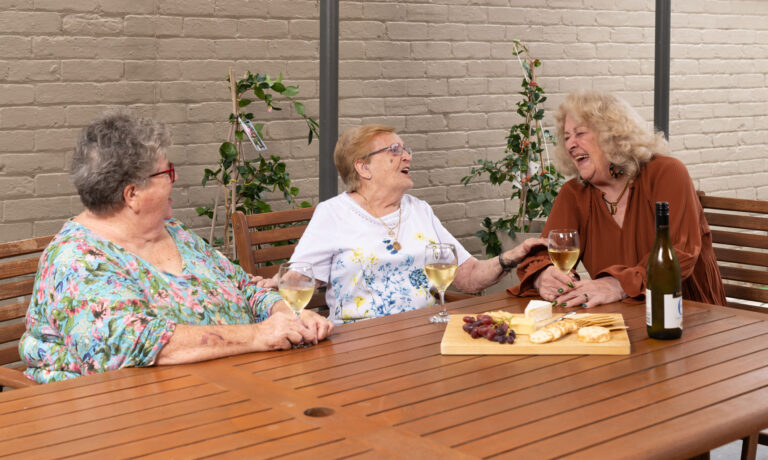
Exercise physiology uses tailored exercise programs to improve strength, balance, mobility, confidence and everyday function. An exercise physiologist can support goals such as reducing falls risk, recovering after illness, maintaining independence or returning to daily activities. Exercise physiology may be offered through group programs, home visits or allied health support, depending on your needs, location and funding pathway.
You can learn more about exercise physiology by listening to the podcast episode below.
Next step: Ask Helping Hand whether exercise physiology is available in your area and through your funding pathway.
Age Old Problems: New Aged Care Podcast
00:00:00 Kate
Welcome to Age Old Problems: New Aged Care, a podcast by Helping Hand that offers information and advice to help you find and access the right aged care services. This podcast was recorded on Kaurna land.
00:00:22 Kate
Hello and thanks for listening to the Helping Hand podcast. I’m your host, Kate Holland, and I’m really looking forward to chatting with today’s guest. I happened to know that when Harry Beresford started studying exercise physiology, lots of people around him had tending to elite sports stars in mind. But Harry has always wanted to help people, which makes him the perfect person to explain what exercise physiology is. And yes, it’s different from physio and the benefits that it can bring to older people. Welcome Harry.
00:00:47 Harry
Thank you for having me.
00:00:48 Kate
So let’s start while you explaining what your role is at Helping Hand if you can.
00:00:52 Harry
Yeah. So I work in Helping Hand’s Home Care and my role is the Exercise Physiology Manager. So I lead and support the team of exercise physiologists, and I also directly oversee the allied health assistant team in home care, and alongside the team leader for that role as well. In addition to all of that, I have a couple of days a week where I do groups and I do my home visits just so I’m still getting out and about and working with clients.
00:01:16 Kate
So just in case people listening don’t know what allied health is, can you explain?
00:01:20 Harry
Yes. Allied health is quite a broad term and there’s lots of different disciplines or areas that work in allied health. So we’re talking about the likes of physiotherapy, and occupational therapy. We have social work, dietetics, speech pathology. I’m sure I’ve missed a couple. And podiatry. It is quite a broad term and we’ll work with people in different aspects to support their wellbeing.
00:01:44 Kate
And I think Helping Hand has its own allied health team, doesn’t it, as part of Helping Hand services?
00:01:48 Harry
Yes. So I’m part of the Home Care side of Helping Hand. So typically our roles are based in the community. So we do our home visits. We also have our three clinics and there’s also the residential side of allied health as well.
00:02:02 Kate
We need to cut to the chase. What is exercise physiology and how is it different from physio? This is a question I’m sure you’ve been asked a million times.
00:02:09 Harry
Yeah, many times, many times. So in a nutshell, exercise physiology is really the study of how the body responds and adapts to exercise, typically over a long period of time. As an exercise physiologist, we’re essentially using exercise as the tool of our trade, and we’re use it to help people improve their health, their quality of life, their wellbeing over a long period of time. So really focused on making programs or supporting them in a way that is sustainable and realistic for the rest of their life. Essentially I do get asked a lot about the difference between physiotherapy and exercise physiology.
00:02:50 Harry
Physiotherapists are much more suitably qualified to support people who have new acute injuries or pain, and physiotherapists can diagnose, whereas exercise physiologists cannot, and they’re much more fully qualified, or have a better skill set, to support people in the earlier stages of an injury and helping them to recover and rehabilitate so they can get back to what they were doing.
00:03:19 Harry
With exercise physiology, we typically get involved mid to later stages of an injury when we’re supporting someone who is living with a chronic long standing disease. And what I mean by that is typically like your diabetes, your high blood pressure, osteoporosis or bone-related terms; and it’s really about supporting an individual to manage these as best they can over a long period of time or the rest of their life.
00:03:49 Kate
And it’s not just about movement, is it? I’ve spoken to you before about how you get clients working on things like reaction times and coordination, and that’s to get the brain ticking, isn’t it?
00:03:57 Harry
Yeah. So we cover lots of different areas. Oftentimes we would look at coordination, balance, and it is quite important in the aged care older adult space. But we’re also looking at the strength, the cardiovascular health – so the heart and their lungs, and just covering all aspects of a client.
00:04:17 Kate
Yeah. So this is about preventative care, right? As well as the management of existing health conditions. So does that mean advising and supporting them with lifestyle changes as well as exercise?
00:04:26 Harry
Yeah. So as an exercise physiologist, it’s not just about the exercises or the movements that we prescribe to people. It’s about how can we get you to do something, or support you with something over a longer period of time, so you can see the benefits of exercise for as long as we can possibly get them? We’re not typically focused on the short term. I’ve heard in the past that an exercise physiologist we’ve often done our job well if you don’t need to see us anymore, because it means we’re giving you the education, the advice that you need to take care of your own physical health, your wellbeing, and you’re suitably trained if you will, to manage that over most of your life.
00:05:06 Kate
And would that time frame just really depend on the individual?
00:05:09 Harry
Yes, and it is very different in, so where we are right now, in the aged care space. We do typically see our clients weekly twice weekly. Still trying to encourage them to do their own independent exercise outside of our sessions, but where we’re going in is we’re taking things that they may not have access to at home, so we can take in additional equipment, things to challenge them that little bit more so we can get them to realise the benefits and we have to keep on progressing the level of exercise as well. Otherwise the body does get very good at just adapting and stabilising with what it’s got to do.
00:05:46 Kate
What are some of the exercises you do, can you explain one of them?
00:05:48 Harry
Yeah. So we do a lot of work around reactions because that’s quite heavily connected to someone’s level of falls or their falls risk. So we do a lot around reactions, coordination, getting them to do what’s called dual tasking, so a couple of different activities at the same time, because that’s often when people can get tripped up or overwhelmed is when there’s too many things happening at the same time. So what better place to practise than when we go there to their home and we can do it in a controlled environment. And we don’t just do these in the home, we also do them in our groups as well that we have all across our three clinics.
00:06:23 Kate
So you must build quite a strong relationship with people. If you’re going into their homes weekly. Is that part of your trajectory from studying exercise physiology to ending up in home care? What do you love about it?
00:06:32 Harry
I love everything about my role, to be honest. I very much like the management side and what I do now in supporting the team. But I do like having that the client workload if you will, and still being able to see my clients in the week, I really appreciate going into their homes. There’s something very different about seeing someone in their home versus them coming to see you in a clinic because they’re allowing you into what I call their safe space. It’s their home. So you do form quite a good connection and a good rapport with people. Some of the clients I’m seeing now, I’ve known them for three years, and we see them every single week. So I’ve seen them lots of times over those three years and you start to know their family members and you start to know the ins and outs of what’s going on the rest of their week. And they do become like quite a close friend after so long seeing them, which is nice.
00:07:25 Kate
For someone starting out, you know, maybe accessing home care and your kind of assistance or allied health assistance, can you sort of paint a picture for how that would pan out when you have a first appointment with them. What do you generally run through with them?
00:07:37 Harry
So exercise physiology is really about the safety when it comes to exercise, so a lot of the initial appointment is around – there’s always questions. So we’re going to want to cover someone’s medical background, any conditions that we might need to be aware of, especially if they might impact on their exercise. So someone’s say living with diabetes. if they have any blood sugar concerns that we might need to monitor, that’s really important to us. We’re also looking at if they’ve got any current injuries or any aches or pains that we need to manage as well. Looking to the medications, and there’s also an important part around the history of physical activity. So we know that if someone’s been quite physically active in the past, then they’re more likely to continue to be physically active as they get a bit older, but then that’s also telling us what they enjoy doing, what they might dislike doing, because we’re really trying to form a plan that is again sustainable. And it’s realistic for that person sitting in front of us.
00:08:38 Harry
So there’s a lot of questioning. And then we get into what we call our objective measurements. So we’re looking at how well someone can balance, for starters with their eyes open, with their eyes closed. So we can challenge different body systems. We’ll look at their level of strength. It could be as simple as how well they stand up from a chair, and how many times they can do that in a row. Looking at how far they can walk in a set period of time. And we take all that and we use it to prescribe something that’s specific to that person sat in front of us. So the initial assessments are quite full on.
00:09:15 Kate
Quite deep, and obviously you’d want people to be as honest as possible and you know, as humans, sometimes we don’t like to admit our vulnerabilities, but you would encourage them to be as honest as possible, so you can really tailor. Do you ask people to record that they’ve done the exercises that you left them with? Because I remember doing the radio segment about how many of us go to a doctor’s appointment or somewhere and get told ‘do this thing’ and a month comes around and we go back to the appointment and we’ve done none of it.
00:09:38 Harry
Yes. And truthfully, some people are really fantastic at writing stuff down. They’re very accountable sometimes to us, but oftentimes to themselves, they’re very self-accountable. And we have different ways of supporting people with this. So obviously technology is becoming more and more of a thing now. So we have applications available that can prompt people or they can liaise with us through the app to tell us on how they’re going. Some people do like to manually write stuff down and they can tell us when we see them again a week later how they’re going. Some people do just have a hard time doing that and I think that’s where we find our weekly, twice weekly, visits help to keep people accountable, but also to keep things changing. Because if it’s always the same, things do get a little bit boring if it’s always the same exercise. So I think us going in there allows us to change things around, take some different equipment, just keep things fun and interactive, especially because we’re going into their home as well.
00:10:39 Kate
So do you have an example of a success story you can share with us?
00:10:42 Harry
We had a recent example, and it was from a client who was coming to one of our weekly groups, and for some clients we do a lot of monitoring and it depends on the situation. But with this client they were monitoring his heart rate and his blood pressure, and the exercise physiologist was noticing that the resting heart rate and the blood pressure weren’t quite right. They were sort of sitting a bit too high and they just casually recommended that this client go and seek further medical advice, which they did, and we received some feedback a couple of days ago from the client, and it said that he had gone to his GP, he had some further follow up and he had a 90% blockage in one of the arteries supplying blood to his heart, and then following on from that, he then had surgery. They corrected it, and his feedback was just so overwhelmingly positive and supportive of the exercise physiologist, who had picked this up and had been so encouraging to get it sorted out. And he’s essentially saying without the exercise physiologist, he may not be here. So he’s very thankful for help. Yeah, it’s fantastic. It’s fantastic.
00:11:51 Kate
That’s wonderful. What an impact. OK, so who can access your services? Cause you know if you’re listening in, surely you’re starting to think this is a good idea.
00:11:59 Harry
Yeah, so working in this space, we’re all through aged care funding. So some of them access those through their Home Care Package, which is all changing from the 1st of November to Support At Home, they will also come to us through what’s called Commonwealth Home Support Programme or CHSP for short. And they have an assessment and they can be encouraged or advised to go and see an exercise group or see an exercise physiologist. With a lot of our services, there’s also an option for fee for service, which means that they can pay to come to our groups, and if they have private health then they can get reimbursement off that provided and they check it all first.
00:12:39 Kate
I will put links to all of those different services so people can find out more, but am I right in thinking that you are feeling quite positive about the changes that will come in with Support At Home?
00:12:49 Harry
I’m hopeful that from November 1st there is going to be a lot of changes for what we call clinical care. So the government has recognised that allied health provide a lot of support to clients in their home and clients want to be home, so by promoting our services and making it easier for clients to access our services, there’s hopes that clients will be able to stay home longer, be more independent, have a better quality of life over a longer period of time, and that’s what Support At Home is aiming to achieve. So I’m very excited for what’s to come.
00:13:26 Kate
What piece of advice would you give to someone who isn’t sure whether they need to see an EP or to access any other allied health service?
00:13:33 Harry
Just give us a call. We have a really fantastic team, one of the great things about allied health is we can all recognise each other’s strengths and not weaknesses, but areas where another area might be able to support a little bit better. We have a little team in admin, we have our receptionist, but also the managers of each of the teams can answer any questions that you might have, and we can direct you to the most appropriate department or allied health department if that’s not us.
00:14:03 Kate
So it’s kind of holistic in a way.
00:14:05 Harry
It’s very holistic and we have lots of regular meetings. It’s very multidisciplinary and I think that’s what makes allied health stand out quite well is that we are just so connected and we understand each other’s roles very well.
00:14:20 Kate
That’s great. So if you’re listening and you think you might want access to allied health services, or you do and you’re not using them, I think having listened to this, the recommendation is to give it a go. Thank you so much for your time, Harry.
00:14:31 Harry
Pleasure, thank you.
00:14:37 Kate
For more information on Helping Hand and their services please head to www.helpinghand.org.au or call Helping Hand directly on 1300 653 600.